
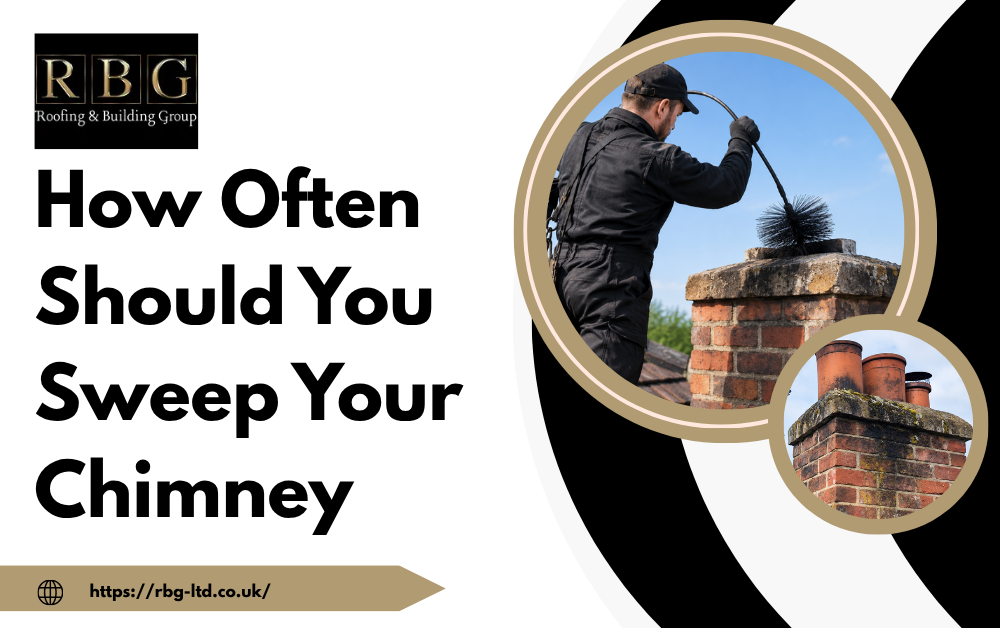
Wondering how often you should sweep your chimney? For most UK homes, sweep at least once a year, and at least twice a year if you burn wood or house coal. If you light your fire or stove most evenings through winter, fire services advise sweeping even more often, as often as every three months while it is in regular use.
Those numbers come from HETAS, the UK body for solid fuel heating, and from local fire and rescue services. This guide explains what applies to your fuel and appliance, the best time of year to book a sweep, what it costs in 2026, and what to do if the sweep finds problems with the chimney itself. It also covers what matters for homes in the Forest of Dean and the surrounding border areas, where older chimney stacks, tall trees, and wet weather all play a part.
How often should you sweep your chimney, by fuel and appliance?
The right frequency depends mainly on what you burn and how often you burn it. The table below sets out the current guidance. Always check your appliance manufacturer’s instructions, because some stoves specify their own sweeping interval.
| Fuel or appliance | Recommended sweeping frequency |
|---|---|
| Wood (open fire or stove) | At least twice a year. Every three months while in regular use. |
| Bituminous house coal | At least twice a year. |
| Smokeless fuel | At least once a year |
| Gas or oil appliance flue | At least once a year, or as the manufacturer advises |
| Chimney not used for several years | Swept before it is used again |
Why regular chimney sweeping matters
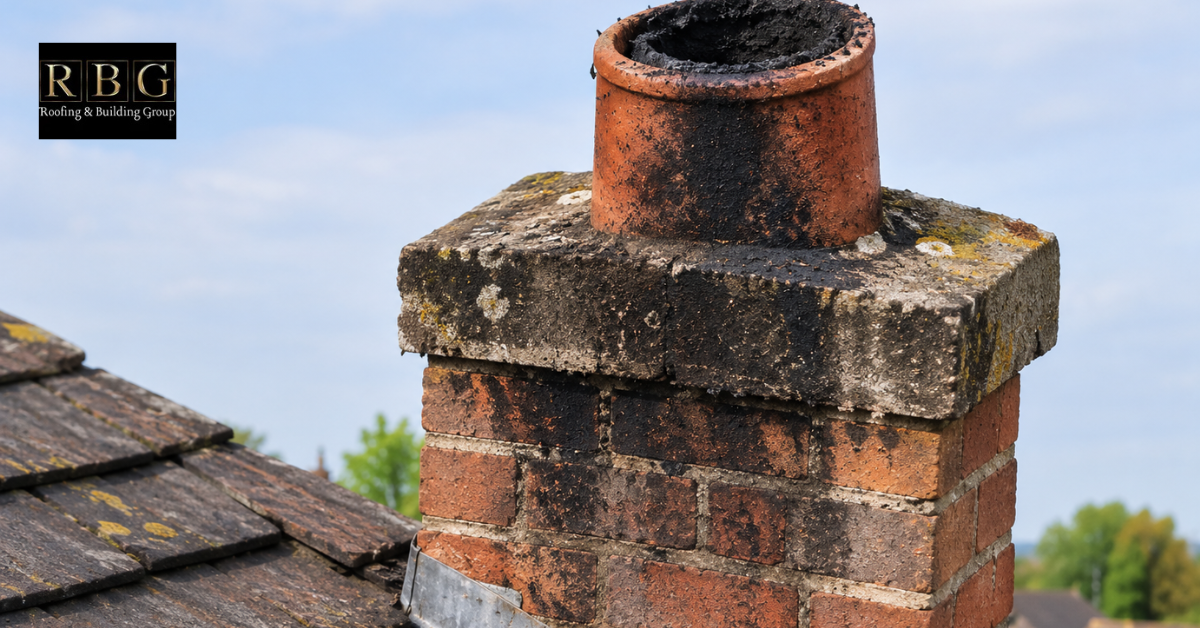
Every time you burn wood, coal or other solid fuel, soot and tar settle on the inside of the flue. The tar, known as creosote, comes largely from sap and from smoke that cools before it leaves the chimney. It builds up in layers, and when it gets hot enough it can ignite. That is a chimney fire.
Soot is only one reason to sweep. A sweep also clears bird nests, leaves and fallen debris that can block the flue. A blocked or defective chimney can cause fires. It can also let carbon monoxide back into the room.
The best time of year to sweep your chimney
What affects how often your chimney needs sweeping?
The guidance above is the starting point. These factors can increase or decrease that number.
How often you light the fire
A stove that runs every evening from October to March builds up deposits far faster than an open fire lit at weekends. If your fire is your main heat source, sweep more often than the minimum.
The type of fuel
Wood and house coal leave more deposits than smokeless fuel, so they need more frequent sweeping.
The quality of your logs
Wet wood is one of the biggest causes of heavy tar build-up. Logs should have a moisture content of 20% or less. In the UK, firewood sold in small volumes should carry the Ready to Burn label, which confirms it meets that level. If you cut or buy unlabelled wood, a simple moisture meter will tell you whether it is dry enough. Freshly felled wood usually needs to season for a year or more before it burns well.
Burn only dry, seasoned wood. Do not burn treated timber, pallets, painted wood, cardboard, plastics or household rubbish. Sweeps generally prefer well-seasoned hardwood such as oak or ash, and many advise against resinous softwoods like pine unless they are very dry.
Whether the chimney is lined
A liner does not mean you can skip sweeping. Fire services are clear that lined chimneys still need regular sweeping because soot and tar collect inside the liner too.
Birds, trees and weather
Chimneys without a cowl or bird guard attract nesting birds in spring and summer. Homes close to woodland also collect leaves and twigs around the stack. Wet, mild weather, which is common in the Forest of Dean and along the Welsh border, can also speed up moss growth and water damage on the outside of the stack.
Signs your chimney needs sweeping now
Do not wait for the next scheduled sweep if you notice any of these. Stop using the fire or stove and book a sweep as soon as you can.
- Soot or debris falling back into the fireplace or stove
- Smoke coming back into the room
- A persistent smell of soot or smoke, even when the fire is not lit
- Visible tar deposits or glazing inside the flue or stove pipe
- Birds around the top of the chimney, or scratching and chirping from inside it
- The fire burning poorly, with lazy flames or a stove glass that blackens quickly
- A chimney that has not been swept for more than a year
If you think the chimney is on fire, call 999. Fire services advise closing the appliance’s air vents or dampers, if safe, and not pouring water onto the stove or fire.
How much does a chimney sweep cost in 2026?
A standard single-flue sweep in the UK usually costs between £60 and £120, depending on where you live and the type of chimney. London and the South East are at the top of the range. In Gloucestershire, price guides typically show about £60 to £90 for a standard chimney sweep and £70 to £100 for a wood burner or multi-fuel stove.
- Open fire: roughly £60 to £100
- Lined stove chimney: roughly £80 to £120
- Unlined stove chimney: roughly £90 to £150
- Bird nest removal: roughly £100 to £250
Extras such as fitting a cowl or bird guard are usually charged separately, and hard-to-reach stacks that need a tower or scaffolding cost more. Booking a second flue in the same visit often lowers the price per chimney.
What Does a Chimney Sweep Actually Do?
A visit usually takes 1 to 1.5 hours. The sweep uses rods and brushes, sometimes with a vacuum to contain the soot, to clear the flue from the appliance or through an access hatch. A good sweep also checks the appliance, the flue, and the visible parts of the chimney, and gives you a dated sweeping certificate afterwards. Keep it with your home records, because your insurer may ask for it.
Before the visit, let the fire or stove cool for several hours, clear the hearth of ash, and move rugs and furniture away from the fireplace. Make sure the sweep can reach the appliance and, if needed, the roof.
Sweeping tips for Forest of Dean homes
- Sweep before the first regular autumn fires, and again after midwinter if you burn wood most days.
- If your home is close to woodland or mature trees, fit a cowl or bird guard so nests and leaves cannot block the flue.
- Older stone or brick stacks take a lot of rain and frost. Look up at the stack from the ground once a year, and ask a roofer to check it if the mortar looks crumbly.
- Buy ready-to-burn logs or season your own wood under cover, off the ground, for a year or more.
When a sweep finds a problem with the chimney itself
A sweep cleans the inside of the flue. The outside of the chimney is a roofing and building job, and many problems start there. After a sweep, or at any time you spot a defect from the ground, look out for:
- Cracked, leaning or missing chimney pots
- Damaged flaunching (the cement that holds the pots in place)
- Lead flashing that has lifted or split where the chimney meets the roof
- A missing cowl or rain cap
- Damp patches on the chimney breast or ceilings nearby, which can be the cause of roof leak problems
- A cracked or failed flue liner
These faults let water in, weaken the stack, and can make a fire or stove unsafe to use. At RBG Roofing Ltd, we provide chimney repair services across the Forest of Dean and surrounding areas, including chimney stack repointing, brickwork repairs, flue repairs and chimney cap restoration. If your sweep or your own check shows a problem, we can handle it properly. Each repair starts with a full stack inspection, so we fix the cause, not just the damage you can see.
Don’t wait for the winter weather to make it worse. Call us now on 07304 082599 or get a free quote online, and we will inspect the stack, explain what needs fixing, and give you one clear price before work begins.
Conclusion
Knowing how often to sweep your chimney keeps your home safe and your fire running well. Wood and bituminous house coal need sweeping at least twice a year, and every three months if you burn wood regularly. Smokeless fuel, gas and oil appliance flues need it at least once a year, or as the manufacturer advises. If you haven’t used a chimney for several years, always have it swept before you light it again.
Frequently asked questions
Is sweeping a chimney once a year enough?
Once a year is the minimum for most appliances and may be enough if you only light a fire occasionally. If you burn wood regularly through winter, at least twice a year, and local fire services advise more often during heavy use.
Do I need to sweep my chimney if I never use the fire?
A chimney that isn’t in use still collects bird nests, leaves, and debris. If you haven’t used it in several years, have it swept before you light it again. If you never plan to use a chimney, ask a roofer or builder about capping and ventilating it instead of leaving it open to the weather.
Does a lined chimney need sweeping?
Yes. A lined chimney still needs regular sweeping, because soot and creosote build up inside the liner just as they do in a brick flue.
Can I sweep my own chimney?
There is no law against it, but it is not recommended. A professional sweep clears the flue properly, checks for problems and provides a certificate, which a DIY sweep cannot.
