
Choosing between the main conservatory roof types comes down to a trade-off between light, warmth, noise, upkeep, and cost. This guide covers the pros and cons of each option, so you can pick the roof that suits how you actually use the room.
Key takeaways
- Glass gives the most light but needs the right specification to stay comfortable.
- Polycarbonate is the cheapest, but it is the hottest, coldest, and noisiest.
- Solid and tiled roofs are the warmest and quietest, but let in the least light.
- Hybrid roofs mix solid sections with glazing for a balance of both.
- Swapping to a solid roof usually needs Building Regulations approval.
Conservatory roof types at a glance
Most conservatory roofs fall into four groups: glass, polycarbonate, solid (tiled or slate finish) and hybrid. Here is how they compare.
| Roof type | Natural light | Warmth | Rain noise | Upkeep | Cost level |
|---|---|---|---|---|---|
| Glass | Excellent | Fair to good, depends on glazing | Moderate | Regular cleaning | Mid to high |
| Polycarbonate | Moderate, diffused | Poor | High | Fades and yellows | Low |
| Solid or tiled | Low, unless rooflights are added | Excellent | Low | Very low | Mid to high |
| Hybrid | Good | Very good | Low to moderate | Low to moderate | High |
Glass conservatory roof pros and cons
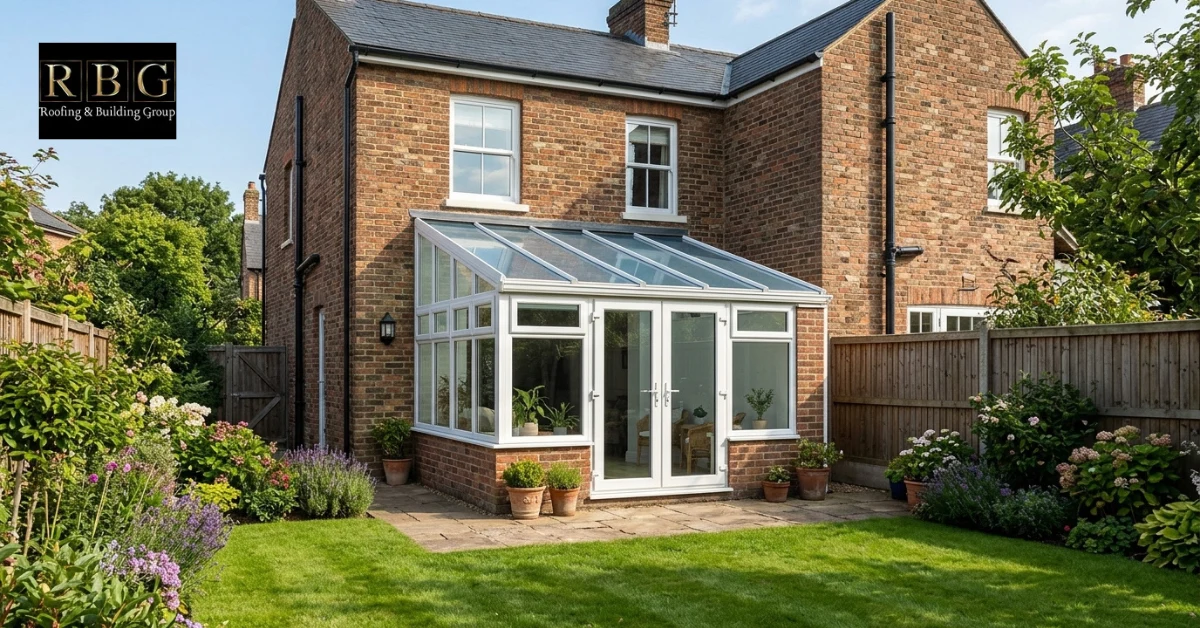
A glass conservatory roof is what most people picture when they think of a conservatory. It floods the room with daylight and gives clear views of the sky and garden.
Modern units are far better than older glass. Options like solar control glass, self-cleaning glass and low-emissivity coatings cut glare, reduce heat build-up and keep dirt in check. Many are filled with argon gas to improve insulation.
Pros of a glass roof
- Brightest and most open feel of any option
- Long lifespan when properly specified and maintained
- Looks smart and suits traditional Victorian and Edwardian designs
- Coatings and tints can solve many overheating problems
Cons of a glass roof
- Higher cost than polycarbonate
- Can still overheat in south- and west-facing rooms if the glass is basic
- Loses heat quickly on cold nights
- Needs regular cleaning unless you choose self-cleaning glass
Best for: gardeners, hobby rooms and anyone who values light over year-round warmth.
Polycarbonate conservatory roof pros and cons
A polycarbonate conservatory roof uses multi-wall plastic sheets. It was the standard choice for budget conservatories for years and remains common on older ones.
Pros of polycarbonate
- Lowest upfront cost
- Lightweight, so it suits lighter frames
- Quick to install or replace in sections
- Comes in different tints and thicknesses
Cons of polycarbonate
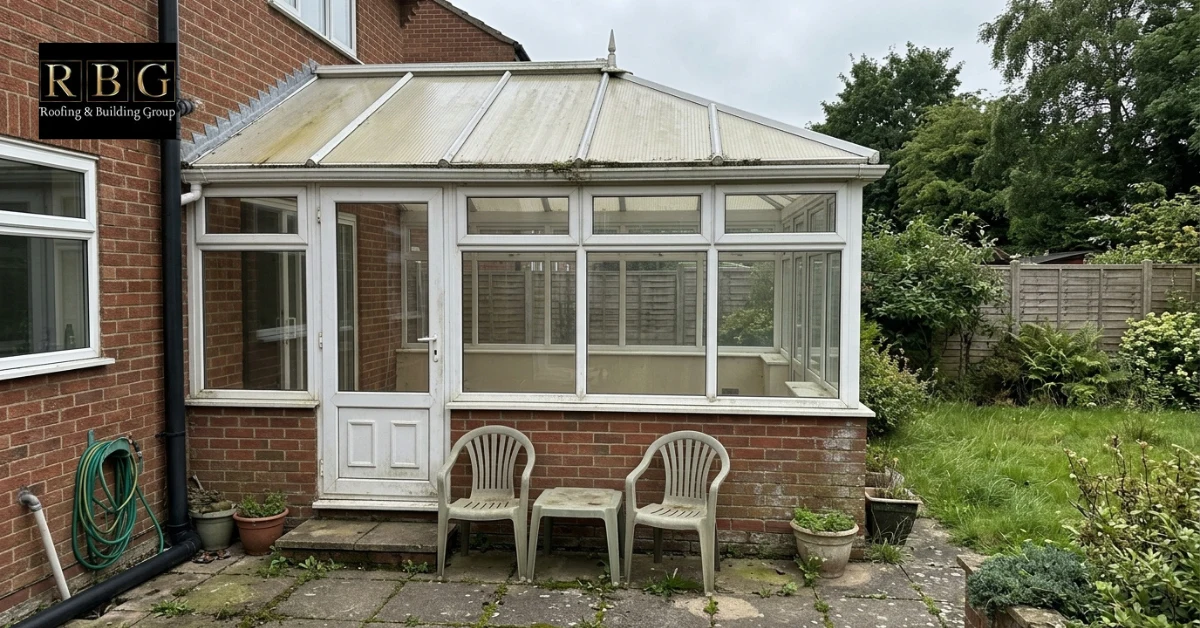
- Gets very hot in summer and loses heat fast in winter
- Rain sounds loud on thin sheets
- Discolours, yellows and looks tired over time
- Can be damaged more easily than glass or solid roofs
This is why it is usually the first roof homeowners replace. It can work for a room used a few weekends a year, but it rarely suits daily use.
Solid and tiled conservatory roofs
A solid-roof conservatory replaces the glazing with an insulated roof, usually finished with tiles or slate. People often call it a warm roof conservatory because the roof is built to behave like the roof on the rest of the house.
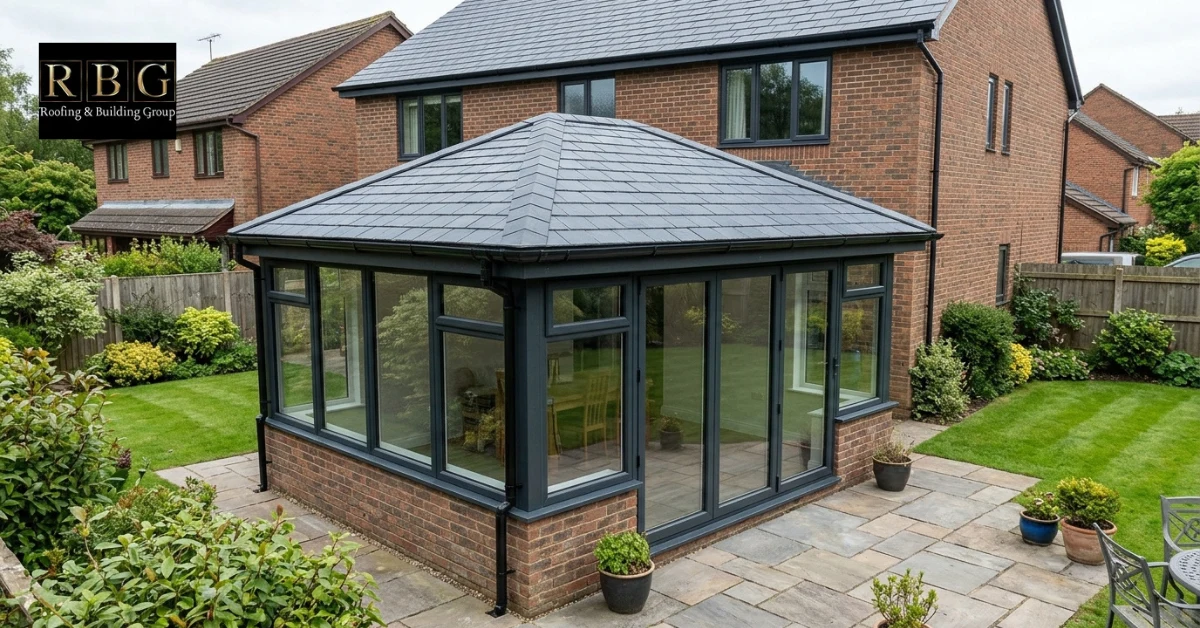
A tiled-roof conservatory typically uses an insulated, lightweight panel system. Because the structure is a lightweight conservatory roof by design, it can often sit on the existing frame once the frame has been checked. You can choose real or lightweight conservatory roof tiles to match your home. If you want to know how tiles are held in place, our guide on roof battens explains the part you never see.
Pros of a solid roof
- Warmest and most stable temperature all year
- Much quieter in heavy rain
- Less glare, so screens and furniture are easier to live with
- Very low maintenance
- Makes the room feel like a proper extension of the house
Cons of a solid roof
- Much less natural light unless you add rooflights
- Costs more than polycarbonate and usually more than entry-level glass
- Needs a structural check of the frame and walls
- Usually needs Building Regulations approval
Hybrid conservatory Roof
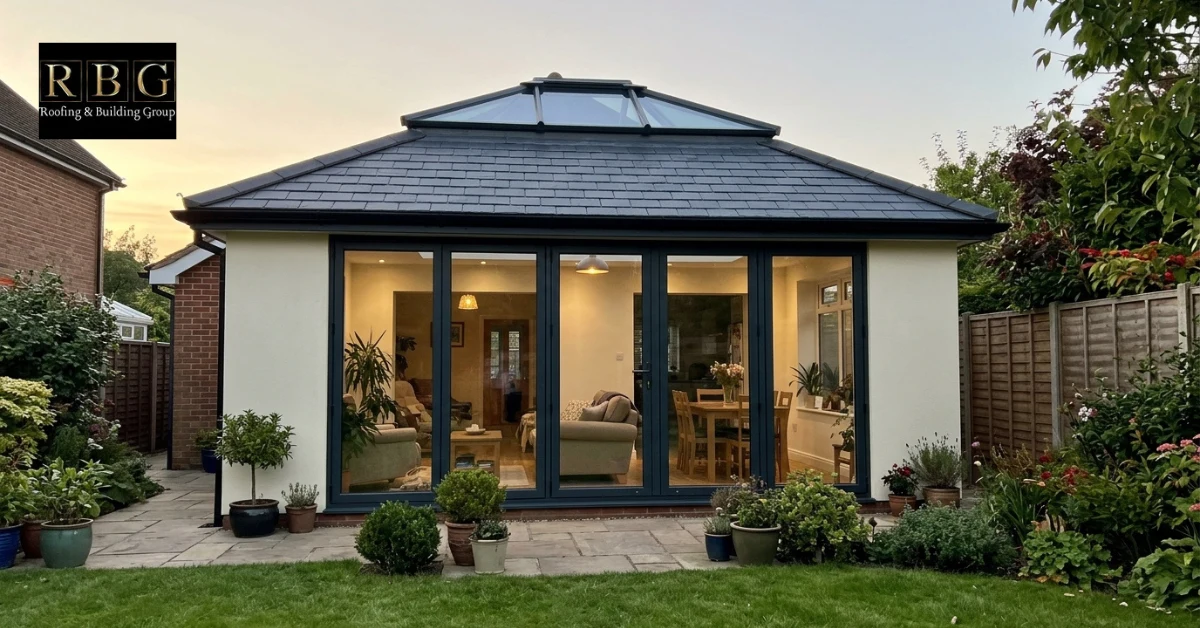
A hybrid conservatory roof combines solid insulated sections with glazing. The classic version is a solid perimeter with a glazed roof lantern in the middle, the same idea used on an orangery. Others place glass over the garden end and a solid roof over the house end.
Pros of a hybrid roof
- Light where you want it, warmth where you need it
- Lets you control glare by placing glass away from the sun
- Adds ceiling height and character
- Suits both classic and modern conservatory styles
Cons of a hybrid roof
- Usually the most expensive of the conservatory roofing options
- More design and installation work
- Needs careful planning to match the frame and the house
Roof shapes and conservatory styles
The roof material is only half the story. The roof shape affects how easy each material is to fit. When people compare different types of conservatories, these are the common types of conservatory shapes:
- Lean-to: a single slope from the house wall. Simple and suits most materials.
- Victorian: multi-sided with a steep pitch and bay front. More complex to convert to solid.
- Edwardian: square or rectangular with a hipped roof. Makes the most of floor space.
- Gable: a pitched roof with an upright glazed triangle, giving extra height.
- P-shape and T-shape: larger layouts that combine two shapes.
- Flat roof with lantern: a modern orangery look.
A flat roof section needs a reliable waterproof membrane. Our EPDM flat roofing is a common choice for the flat part of a lantern roof.
How to choose the right conservatory roofing
Three questions quickly narrow down the best conservatory roof types.
1. How will you use the room?
- Occasional summer use: polycarbonate or entry-level glass may be enough.
- Regular use as a dining or living space: high-spec glass or a hybrid.
- Daily use as a home office or playroom: a solid roof.
2. Which way does it face?
- South or west: heat and glare are the problem, so choose solar-control glass, a hybrid, or a solid roof.
- North or east: heat loss is the bigger issue, so choose better glazing or a solid roof.
3. What can your frame and budget handle?
- Old frames may not take the extra weight of a tiled roof.
- A lighter system or glass upgrade may suit a tight budget.
Can your conservatory take a new roof?
Swapping roof types is one of the best ways to improve a tired conservatory, but check three things first:
- Structure: the frame and dwarf walls must carry the new roof’s weight. A solid roof is heavier than polycarbonate.
- Rules: Building Regulations apply to most solid roofs, and the Planning Portal conservatory guidance explains when a conservatory is exempt.
- Condition: Fix damaged seals, leaks, or a sagging frame before installing a new roof.
Signs it may be time to replace the roof:
- The room is unusable for large parts of the year
- Rain noise is unbearable
- Sheets are yellowing, cracked or leaking
- Glass units have misted between the panes
- Heating bills climb with no real comfort gain
Conservatory roof replacement in the Forest of Dean
At RBG Roofing Ltd, we have been roofing homes across the Forest of Dean, including Coleford, Lydney and Chepstow, since 1988. We can inspect your roof, explain which type suits your home, and fit it properly. We fit and repair conservatory roofs, from solid tiled and slate finishes to hybrid roofs with a lantern, and our new roof and repair service comes with a clear fixed price before any work starts.
Ready to fix a room that is too hot, too cold or too loud? Request a free quote, and we will talk you through your options.
Frequently asked questions
Which conservatory roof type is warmest?
A solid or tiled roof is the warmest option because it is fully insulated and can match a house roof’s thermal performance. A hybrid roof is a close second, and high-spec glass can also perform well.
What is the cheapest conservatory roof?
Polycarbonate is the cheapest to buy and fit. It costs more to live with, though, as it overheats in summer, loses heat in winter and is noisy in rain.
Is glass or polycarbonate better for a conservatory roof?
Glass is better for light, appearance, quietness and lifespan. Polycarbonate suits a tight budget or a room used only occasionally. Most homeowners who want real comfort choose glass or a solid roof.
Do I need Building Regulations approval for a solid conservatory roof?
Usually yes. A solid roof changes the room’s structure and thermal performance, so it usually needs approval from Building Control. Planning permission is often not needed, but check if your home is listed or in a conservation area.
Can I replace a polycarbonate roof with a tiled roof?
Often yes, but the frame must support the extra weight. A professional should check the structure first, and reinforcement may be needed.
