
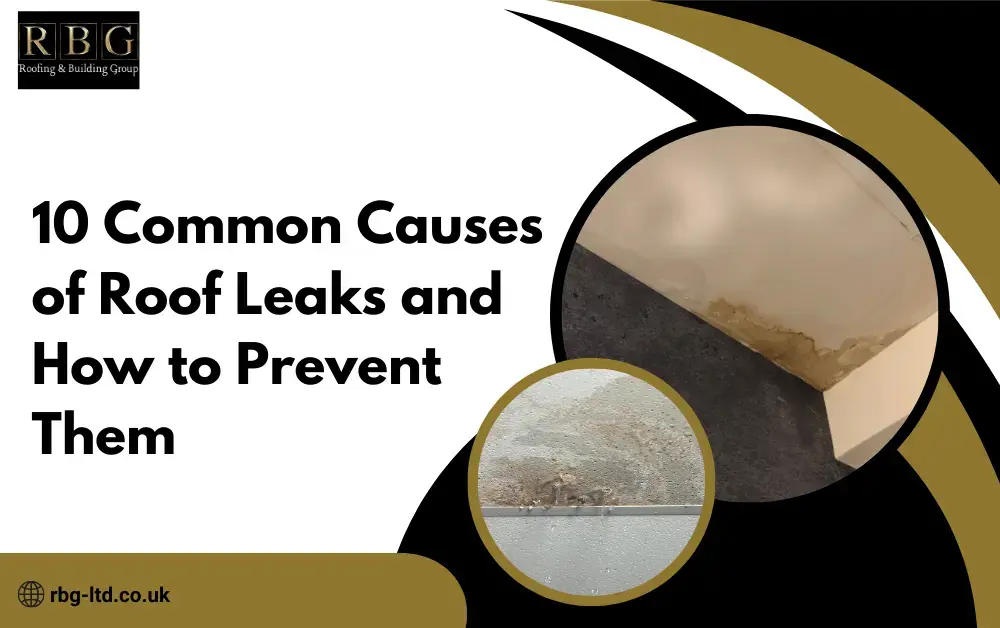
Roof leaks are one of the most common problems homeowners face. A leaking roof can seriously damage walls and ceilings. Roof leaks often start with small problems, like damaged shingles or blocked gutters, that gradually worsen over time. You can prevent them with a little maintenance. But before you can do that, it’s important to understand what actually causes them.
As experienced roofers in the Forest of Dean, we will break down the most common causes of roof leaks and how to prevent them, and walk you through the DIY fixes and when you need to call a professional.
10 Common Causes of Roof Leaks and Their Prevention
1- Damaged or Missing Shingles

Shingles are the roof’s outer layer, which protects it. They keep rain and snow from getting into your house. But if they’re broken, cracked, or curled up, water can easily slip through the gaps and cause leaks. Some common signs of shingles that cause damage are:
- Shingles that are cracked, bent, or missing
- Pieces of shingles outside your house after a storm
- Water stains or damp spots on your ceiling
Prevention
To prevent this, check your roof regularly, especially after heavy winds or rain. If you notice any shingles that are broken, missing, or look out of place, get them replaced immediately. Even a single missing shingle can create a pathway for water to enter. A quick inspection and timely repair can save you from serious damage.
2- Clogged Gutters

Gutters are long pipes along the edge of the roof. They carry rainwater away so it doesn’t sit on your roof. But when they get stuffed with leaves, twigs, dirt, or other junk, water can’t flow properly. It starts to collect and can seep under the roof, causing leaks. Some common signs to look for
- Water overflowing from the sides of the gutters
- Plants or weeds growing in the gutter
- Damp spots on walls or ceilings near the roof edges
Prevention
Make a routine to clean your gutters at least twice a year, once in the spring and once in the fall. If you have many trees around your home, you may need to clean them more often. However, installing gutter guards can also help to reduce the amount of debris that gets into your gutters.
3- Damaged Flashing

Flashing is the thin metal around chimneys, roof vents, and skylights. It seals gaps and stops water from sneaking in. But if the flashing is cracked, rusted, bent, or wasn’t installed properly, water will find its way through. These are some signs you can look for:
- Rust stains
- Loose metal strips around chimneys or vents
- Visible cracks or gaps near flashing spots
Prevention
Check flashing areas regularly. If you spot rust stains, bent metal strips, or visible gaps, fix them right away. You can seal small gaps with roofing cement, but larger damage may require replacing the flashing. A little attention to these areas can make a big difference in keeping your roof watertight.
4- Improper Roof Installation

Sometimes, the problem starts from the beginning, when the roof is installed. Mistakes like improper shingle placement, incorrect sloping, and poor flashing work can result in serious leaks sooner or later. There are a few signs you can look for to verify that installation is done properly:
- Roof looks uneven or patchy
- The roofing work looks unfinished
- Poor alignment of materials
- Missing shingles
Prevention
We recommend hiring a qualified, experienced roofing contractor when building a new roof or replacing an old one. Check their previous work and ask for reviews. A properly installed roof lasts longer and gives you peace of mind.
5- Old Roof

Roofs don’t last forever. Over time, materials like shingles or tiles start to weaken. They lose their strength, become brittle, and can’t protect your home. Moreover, excessive sunlight, rain, snow, and wind can weaken the roof and make it more likely to leak. Most roofs last 20 to 25 years, but in areas with harsh weather, they may need replacement sooner.
Your roof is old if you notice these signs:
- Roof is 20+ years old
- Shingles look faded, dry, or cracked
- More frequent leaks or repairs are needed
Prevention
If your roof is getting old, it’s a good time to start planning a replacement. Even if there aren’t any obvious leaks yet, a replacement can save you from sudden damage or emergency repairs. In addition, regular inspections by a roofing professional can also help you know when it’s time to take that step.
6- Ice Dams

If you live in a cold area, ice dams can be a big problem. They happen when snow on the roof melts during the day and refreezes at night near the edges. This ice buildup blocks the flow of water and causes the water to leak under the shingles. Ice dams can form for several reasons, such as heavy snowfall and prolonged very low temperatures. Look for these signs to prevent leaks early.
- Ice hanging from the roof edges.
- Water stains on walls or ceilings after snow melts
- Ice buildup at the roof edges
Prevention
It’s important to keep your attic properly insulated and ventilated. Good insulation stops heat from escaping into the attic and melting the snow unevenly. In areas with heavy snowfall, you can also use roof rakes to remove snow from the roof edges. Some people also install heating cables to melt the ice and keep the water flowing.
7- Cracked Vent Boots

Vent boots are the rubber or metal covers around pipes used for ventilation. These covers help to seal the area so water doesn’t leak in. But over time, the rubber can crack or tear. When that happens, water starts leaking in through the gaps. You can notice these signs while inspecting your roof:
- Cracked or broken rubber around roof vents
- Water stains near vent areas inside the house
- Missing or loose boot coverings
Prevention
Inspect your vent boots regularly. If the rubber looks brittle or damaged, replace the boot before water starts seeping through. Replacing a vent boot is a small and inexpensive job, but ignoring it could lead to costly water damage inside your home.
8- Damage due to Trees
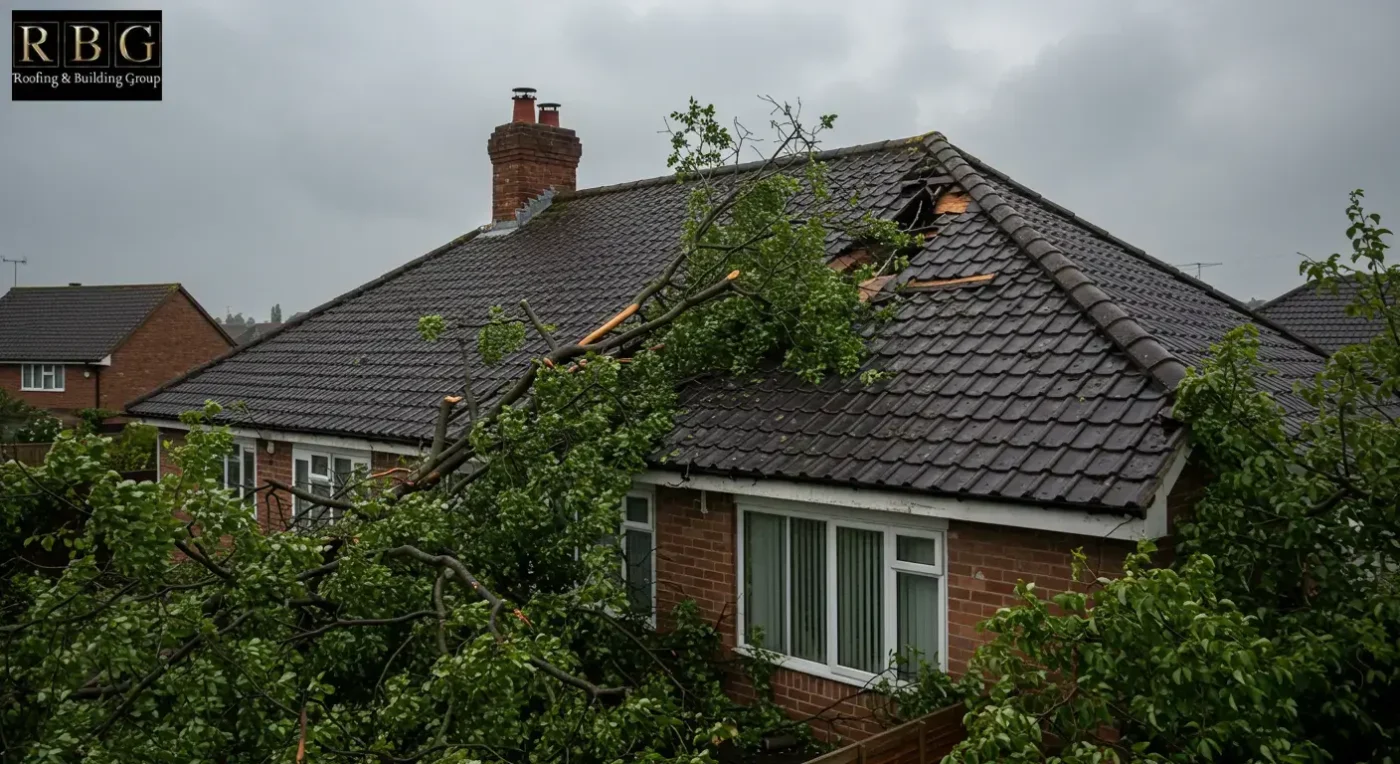
Trees may look nice around your home, but overhanging branches can be harmful to your roof. They can rub against the shingles and damage them. In storms, large branches can even fall and badly damage the roof. Look for these signs to spot tree-related damage.
- Overhanging branches are touching the roof.
- Shingle damage under tree areas
- Broken branches or leaves scattered on the roof after a storm
Prevention
Regularly trim any overhanging branches. Make sure there’s enough space between the trees and your roof to prevent contact during windy weather. After a storm, take a walk around your house and check your roof for any fallen branches or signs of impact damage. A little tree maintenance can go a long way in keeping your roof safe.
9- Damaged Chimneys

Damaged chimneys are another common cause of roof leaks. Since a chimney goes through your roof, there are many areas around it, such as broken bricks or mortar and chimney caps from which water can enter. Even a small crack around the chimney can cause stains, mould, or structural damage. These are some signs to look for:
- Cracked or missing mortar between chimney bricks
- Loose or damaged chimney cap (the cover on top)
- Water stains or leaks around the chimney inside your house
- Pieces of brick or debris around the base of the chimney
- Rust on the metal flashing near the chimney
Prevention
To prevent or repair chimney leaks, inspect your chimney once or twice a year. Look for signs like cracked mortar, broken bricks, or a rusted chimney cap. If you notice any issues, get them fixed early, before water starts damaging your walls or ceilings. Resealing the chimney and replacing damaged flashing can make a big difference in keeping your roof leak-free.
10- Roof Debris

Debris on your roof might not seem like a big deal at first, but it can actually cause serious damage. Things like leaves, small branches, dirt, pine needles, or even bird nests can hold moisture on the roof surface. This extra moisture can slowly damage the shingles and cause mould or algae to grow. Debris also blocks water from flowing off the roof properly. It can clog roof valleys (the low points where two roof slopes meet) and even slide into the gutters. These are some common signs you can look for:
- Piles of leaves or branches sitting on the roof, especially in corners or valleys
- Dark patches of moss growing on the roof
- Shingles underneath the debris look soft and damp
- Water draining slowly or overflowing from the roof edges
- Gutter blockages
Prevention
Keep your roof clean and clear throughout the year. After a storm or during autumn, it’s a good idea to remove any leaves or branches that have gathered on the roof. If you’re not comfortable climbing up, consider hiring a professional for roof cleaning.
DIY vs. Professional Roof Repair
For minor leaks, a DIY approach can be a smart and cost-effective solution. You can do it yourself if you’re comfortable climbing onto your roof and have some basic knowledge of roofing materials.
- Clogged gutters
- Missing or damaged shingles
- Small cracks in the flashing
- Debris removal from the roof
- Patching small holes
- Securing loose vents
However, safety is always a concern. Roof work can be risky, especially if the slope is steep, the weather is poor, or you’re unsure what you’re doing.
If you have had major leaks and structural issues, we recommend hiring a professional roofing contractor. Professionals have the experience, tools, and expertise to detect the cause of the leak and fix it properly. These are signs that you need professional roof repair services:
- Major leaks or structural damage
- Damaged flashing around chimneys or vents
- Water stains on ceilings or walls
- Frequent leaks despite DIY repairs
- Roof is old or has multiple problem areas
Roof leaks rarely fix themselves, and the longer they’re left, the more damage they can cause to your timber, insulation, and ceilings. Get a qualified roofer to identify the exact source of the problem and give you a clear, honest quote before any work begins.
Conclusion
Roof leaks often result from small issues that build up over time. That’s why regular roof maintenance is so important, because it helps you detect problems early before they turn into costly repairs.
However, many causes of roof leaks are completely preventable with a little care and attention. Keep an eye on your shingles, clean those gutters, and don’t ignore the little signs that something might be off.
And if you’re ever unsure about what’s going on up there, don’t hesitate to call in a professional roofing company. A quick inspection today could save you a whole lot of trouble tomorrow.
FAQs
How long does a roof typically last before leaking?
Most roofs last about 20 to 25 years, depending on the material and weather conditions.
Can I repair a roof leak myself?
You can fix small leaks, such as clogged gutters or minor shingle damage. However, for major leaks, it’s best to contact a professional for roof leak repair.
Are roof leaks covered by insurance?
It depends on your insurance policy. Generally, sudden and accidental damage is covered, but gradual damage may not be.
What should I do if my roof is leaking during a storm?
Place a bucket to catch the water, move valuables, and contact a professional for emergency leaking roof repair as soon as possible.
