

A leaking roof valley is one of the most common roofing problems homeowners face, especially in areas with frequent rainfall. Since roof valleys channel large volumes of water from two roof slopes into a single point, they are constantly exposed to heavy water flow. Even minor issues like cracked flashing, loose tiles, or debris buildup can quickly lead to a leak in valley of roof if not addressed promptly. That’s why working with trusted roofers in Forest of Dean ensures the repair is done safely and effectively, giving you a roof that withstands the harshest weather conditions.
If you wondering how to fix a leaking roof valley. This guide will walk you through how to identify, repair, and prevent roof valley leaks, providing practical steps and expert tips to keep your roof dry, strong, and your home protected from costly water damage.
What Is a Roof Valley?
A roof valley is the internal angle where two sloping sections of a roof meet. It directs rainwater and debris into the gutter, acting as a key drainage channel. Because it carries water from multiple roof surfaces, it handles a much higher flow during heavy rain.
This constant water flow makes the valley more vulnerable to damage. Debris can block the channel, and exposure to weather can weaken materials over time. If not maintained properly, small issues can quickly lead to leaks and internal damage.
Common Roof Leak Causes in Roof Valleys
Understanding the root cause of a roof valley leak is essential for a long-lasting fix, especially given the demands of the UK climate with its frequent rain and damp conditions. Simply sealing over the problem may stop the leak temporarily, but it won’t address the underlying issue. Identifying the cause of the leak helps you apply the right repair method and prevent it from happening again.
- Damaged flashing: Cracked, rusted, or loose flashing allows water to seep into the roof structure.
- Debris buildup: Leaves, moss, and dirt can clog the valley, causing water to pool and leak beneath the tiles.
- Broken or slipped tiles: Gaps from damaged or moved tiles create easy entry points for water.
- Poor installation: Incorrectly installed valleys may not drain water properly, leading to recurring leaks.
- Clogged or damaged gutters: Blocked gutters can cause water to back up into the valley instead of draining away.
- Sealant failure: Worn or cracked sealant can create small gaps that allow water to enter.
- Ageing materials: Over time, roofing materials lose their durability and ability to keep water out.
Tools and Materials You’ll Need
Before starting any roof valley repair, it’s important to gather the right tools and materials. Having everything ready not only saves time but also helps you work safely and complete the repair properly without interruptions.
- Ladder with proper support
- Safety gloves and non-slip footwear
- Safety harness (recommended)
- Roofing cement or waterproof sealant
- Replacement flashing (if required)
- Spare roof tiles or shingles
- Hammer, nails, and a pry bar
- Utility knife
- Measuring tape
- Brush or broom
- Bucket or tarp
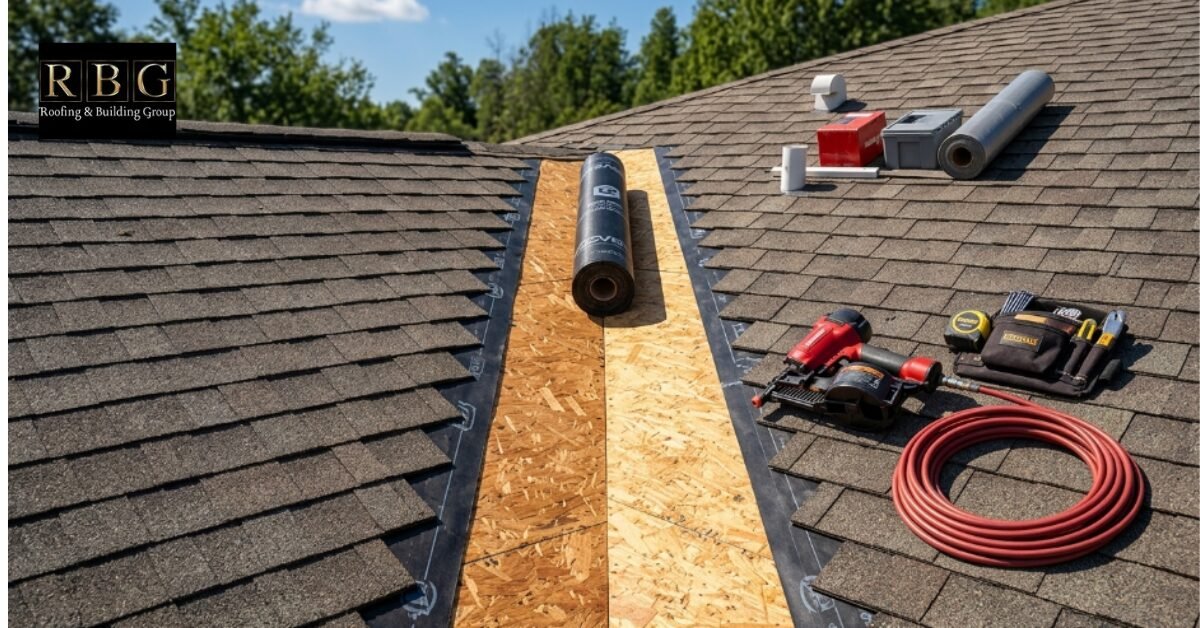
How to Fix a Leaking Roof Valley (Step-by-Step Guide)
Below is a simple step-by-step guide on how to fix a leaking roof valley safely and effectively
Step 1: Prioritise Safety
Before starting any roof repair, your safety should always come first. Only work on a dry, calm day, as wet or windy conditions can make the roof slippery and increase the risk of falling. Set your ladder on firm, level ground and make sure it is properly secured and positioned against the roof edge. If possible, have someone hold the ladder while you climb for extra stability. Wear non-slip footwear to maintain good grip and safety gloves to protect your hands from sharp edges or materials. If the roof is steep or difficult to access, use a safety harness for added protection. Move slowly and carefully at all times, avoiding sudden or risky movements while working at height.
Step 2: Inspect the Roof Valley
Once it is safe to access the roof, carefully inspect the roof valley to find the source of the leak. Check where the two roof slopes meet, as this is the most common area for problems. Look for cracked or missing tiles, damaged or rusted flashing, and any visible gaps where water could enter. Also check for loose materials, moss growth, or damp patches, as these can indicate hidden issues. Take your time during this step, as correctly identifying the problem will make the repair much easier and more effective.
Step 3: Clean the Valley
Before making any repairs, thoroughly clean the roof valley by removing all debris such as leaves, moss, dirt, and small twigs. Blocked valleys can trap water and worsen leaks, so ensuring a clear channel is essential for proper drainage. Use a brush or broom to gently clear the area without damaging tiles or flashing, and make sure water flows freely into the gutters before moving on to repairs.
Step 4: Repair or Replace Damaged Tiles
Carefully check for any cracked, broken, or slipped tiles in the roof valley. These damaged areas can allow water to enter beneath the roof surface, causing leaks.
Remove the affected tiles with a pry bar, then clean the area beneath them before fitting new tiles or repositioning existing ones. Make sure the replacement tiles are properly aligned and securely fixed so there are no gaps through which water can pass.
Step 5: Fix or Replace Flashing
Inspect the valley flashing for any cracks, rust, or loose sections, as damaged flashing is a major cause of leaks. For minor issues, apply roofing cement or waterproof sealant to seal gaps and strengthen the area. If the flashing is badly damaged, carefully remove it and install a new piece, ensuring it is properly aligned to guide water smoothly into the gutter without any openings.
Step 6: Apply Waterproof Sealant
Apply a high-quality waterproof roofing sealant along joints, edges, and any small gaps in the roof valley to create an extra layer of protection. Focus on areas where tiles meet flashing or where previous damage was found. Use a sealant gun for even application and ensure the surface is clean and dry before applying. This step plays a key role in roof waterproofing, helping to prevent water from seeping through and strengthening the overall repair.
Step 7: Test the Repair
Once all repairs are complete, test the roof valley to ensure the leak has been fixed properly. You can do this by gently using a garden hose to simulate rainfall and checking if any water enters inside. Also, inspect the repaired area closely to make sure water is flowing smoothly into the gutter without pooling or seepage. If no leaks appear, the repair has been successful.

Temporary Fixes vs Permanent Solutions
Roof valley leaks can be treated in different ways depending on the severity of the problem. Some solutions are designed to provide a quick, short-term fix, while others offer long-lasting protection and fully resolve the issue.
- Temporary fixes mainly include using sealants and patches to stop water from entering the roof. These methods are useful in emergencies or when immediate protection is needed, but they do not address the root cause of the leak. Over time, the problem may return if a permanent repair is not carried out.
- Permanent solutions, on the other hand, involve more detailed work, such as replacing damaged flashing or even rebuilding parts of the roof valley. These repairs are designed to fix the issue at its source and provide long-term durability. While they require more time and effort, they ensure lasting protection and reduce the risk of future leaks.
Tips to Prevent Roof Valley Leaks
Prevention is always better than repair when it comes to roof valley leaks. Regular care and small maintenance steps can help you avoid costly damage in the future.
- Clean your roof valleys regularly to remove leaves, moss, and debris
- Inspect your roof at least twice a year, especially after heavy rain or storms
- Keep gutters and drainage systems clear for proper water flow
- Replace worn or ageing materials before they fail
- Reapply sealant when it starts to weaken or crack
- Trim overhanging tree branches to reduce debris buildup
- Ensure proper roof ventilation to prevent moisture accumulation
- Fix small cracks, loose tiles, or minor issues immediately before they worsen
When to Call a Professional Roofer
There are situations where roof valley repairs go beyond simple DIY fixes and require professional expertise. Calling a qualified roofer ensures the problem is properly diagnosed and repaired, preventing further damage and unnecessary costs.
At RBG Roofing Ltd, we’ve been providing trusted roofing services across the Forest of Dean, Hereford, Chepstow, Abergavenny, and Gloucestershire. Our experienced team handles everything from minor roof valley repairs to complete roofline and guttering replacements, always focusing on long-term, reliable solutions. We offer a no-call-out-charge service along with free, no-obligation quotations, ensuring honest advice and fair pricing every time.
Don’t let a small roof issue turn into costly damage. Get in touch with our Professional roofing contractors in Forest of Dean today, we’ll inspect your roof honestly and give you a fair price to fix it properly.
Conclusion
Fixing a leaking roof valley quickly is essential to prevent serious damage to your home and avoid costly repairs. By understanding the causes, following the proper repair steps, and performing regular maintenance, you can keep your roof in strong, reliable condition for years to come. While minor issues can often be managed with basic DIY repairs, more complex problems should always be handled by professionals to ensure long-lasting results. Taking action early not only protects your property from damp and structural damage but also gives you peace of mind knowing your roof is secure and weather-resistant.
How long does it take to fix a roof valley leak?
Most minor repairs can be completed within a few hours, while major repairs may take a full day.
How much does it cost to repair a roof valley in the UK?
Costs vary depending on the damage, but minor repairs may start from £150, while full flashing replacement can cost significantly more.
How do I know if my roof valley is leaking?
Common signs include water stains on ceilings, damp patches in the attic, mould growth, or visible damage around the valley area such as cracked tiles or rusted flashing.
