
Roof shingles are one of the most widely used roofing materials in modern construction. They form the outer protective layer of a roof and are designed to overlap in a way that prevents water, wind, and moisture from entering the structure beneath.
Choosing the right roofing material is essential for long term performance, durability, and appearance. Whether you are planning a new roof installation or replacing an existing system, roof shingles remain a reliable and versatile option for many property types across the UK. Homeowners often search for the best roofers in Forest of Dean to ensure quality workmanship and lasting protection against the local weather conditions.
This guide explains what roof shingles are, how they function, the different types available, and how to choose the best option for your property.
What Are Roof Shingles?
Roof shingles are individual roofing components that are installed in overlapping rows starting from the bottom edge of the roof and working upward toward the ridge.
Each roof shingle overlaps the one below it, creating a layered barrier that effectively directs rainwater away from the roof surface. This overlapping structure ensures the roof remains watertight even during heavy rainfall and strong winds.
Historically, shingles were made from natural wood, but today they are manufactured from a wide range of materials including asphalt, metal, slate, clay, and synthetic composites.
In simple terms, what are roof shingles can be answered as:
- Protection against weather conditions
- Structural coverage for the roof system
- Aesthetic enhancement for the property
A well installed shingle roof combines all three benefits effectively.
How Roof Shingles Work
Roof shingles operate as part of a complete roofing system rather than as a standalone layer.
The system typically includes:
- Roof deck (timber or structural board base)
- Waterproof underlay membrane
- Protective insulation layers (where required)
- External roof shingles layer
Each shingle is installed in a staggered pattern so that water flows naturally down the roof surface. Nails are hidden beneath overlapping layers, reducing exposure to weather damage.
Modern shingles also use sealing strips that activate with sunlight, helping them bond together and improve wind resistance. When combined with proper ventilation, the system helps regulate heat, prevent condensation, and extend roof lifespan.
Types of Roof Shingles
Different shingle materials offer different levels of durability, appearance, and cost. Below are the most commonly used types in UK roofing projects.
Asphalt 3-Tab Shingles
Asphalt shingles also known as bitumen shingles or bitumen roof shingles. They are cost effective and widely used roofing options made from a fiber glass base coated with asphalt and mineral granules. They have a simple, flat appearance and are commonly used on residential properties. These shingles are lightweight and easy to install, making them a practical choice for budget projects. However, they have a shorter lifespan compared to premium roofing materials.
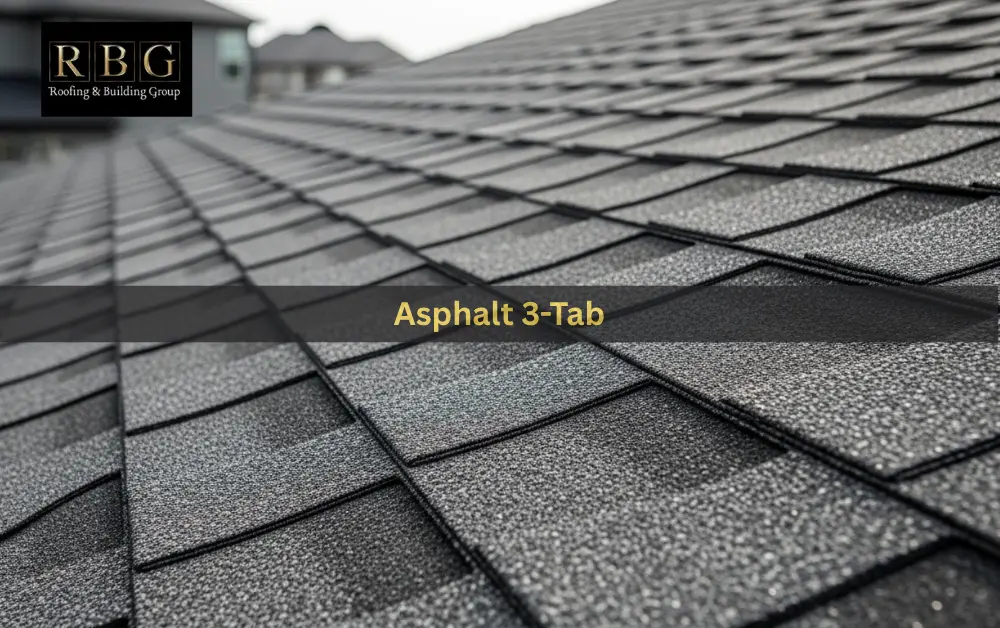
Lifespan: 15–25 years
Cost Range: £20–£60 per m²
Pros of Asphalt 3-Tab Shingles
- Affordable installation
- Lightweight and simple to fit
- Easy maintenance and replacement
- Suitable for most residential roofs
Cons of Asphalt 3-Tab Shingles:
- Shorter lifespan
- Basic appearance
- Lower resistance to extreme weather
Architectural (Dimensional) Shingles
Architectural shingles are a stronger and more durable version of standard asphalt shingles, featuring a layered design for added thickness. This gives them a more textured and premium appearance similar to slate or wood. They offer improved wind resistance and better overall performance in harsh weather conditions. These shingles are also popular for enhancing property value and curb appeal.
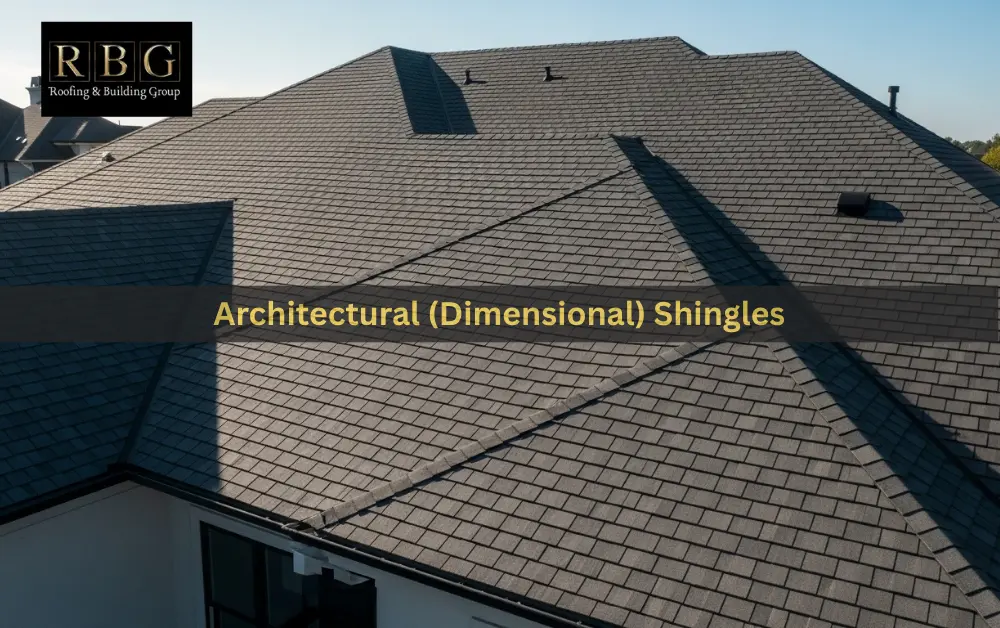
Lifespan: 25–30 years
Cost Range: £40–£120 per m²
Pros of Architectural Shingles:
- Stronger wind resistance
- Thicker and more durable structure
- Enhanced visual appeal
- Better long term value
Cons of Architectural Shingles:
- Higher cost than basic shingles
- Heavier material
- Requires professional installation
Metal Roof Shingles
Metal roof shingles are manufactured from steel, Aluminium, copper, or zinc, offering high strength and long lasting performance. They are lightweight yet extremely durable and interlock to provide strong protection against wind and rain. These shingles are also energy efficient as they reflect sunlight and help regulate indoor temperatures. They require low maintenance and are suitable for modern roofing systems. Its long service life, combined with strong resistance to weather and corrosion, makes metal roofing a durable and reliable long term roofing solution.
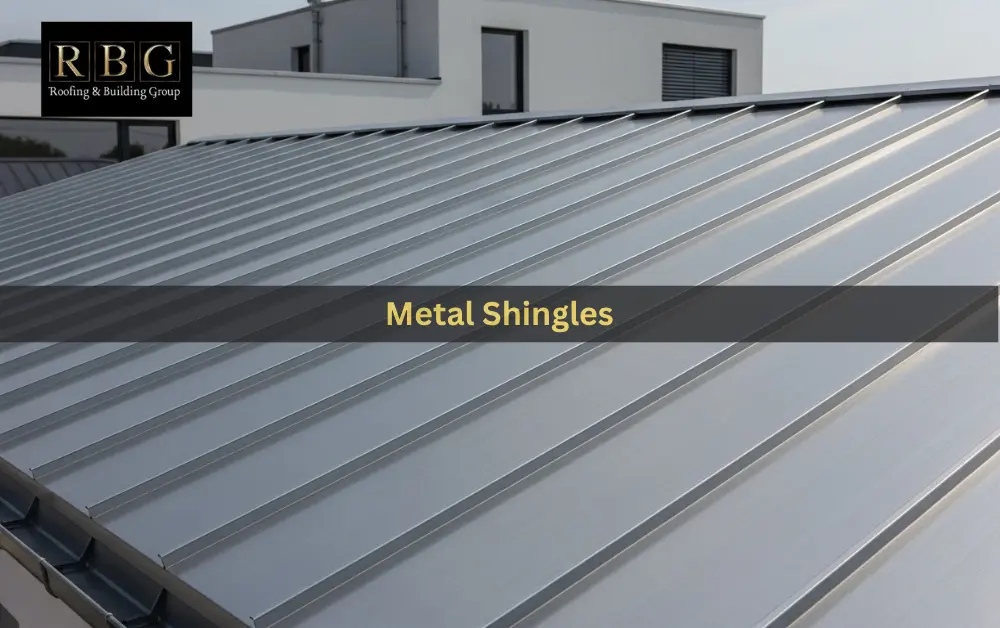
Lifespan: 40–70 years
Cost Range: £60–£200 per m²
Pros of Metal Roof Shingles:
- Extremely durable and long lasting
- Lightweight yet strong
- Fire and weather resistant
- Low maintenance requirements
Cons of Metal Roof Shingles:
- Higher installation cost
- Can be noisy in rain without insulation
- May dent under heavy impact
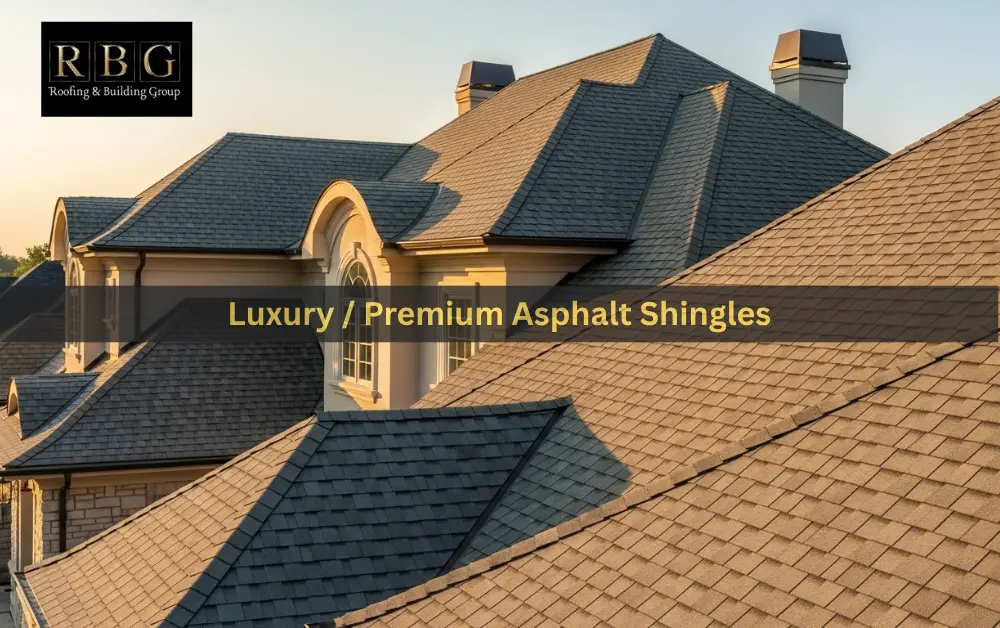
Premium Asphalt Shingles
Luxury asphalt shingles are high end roofing materials designed to replicate the look of natural slate or cedar shake. They are thicker and more durable than standard shingles, offering excellent resistance to weather and impact. These shingles provide a premium aesthetic that significantly improves a property’s appearance. Although more expensive, they offer long term durability and strong performance.
Lifespan: 30–50 years
Cost Range: £80–£180 per m²
Pros of Premium Asphalt Shingles:
- Luxury appearance
- Excellent weather resistance
- Long lifespan
- Increased property value
Cons of Premium Asphalt Shingles:
- Expensive upfront cost
- Requires strong roof structure
- Higher installation complexity
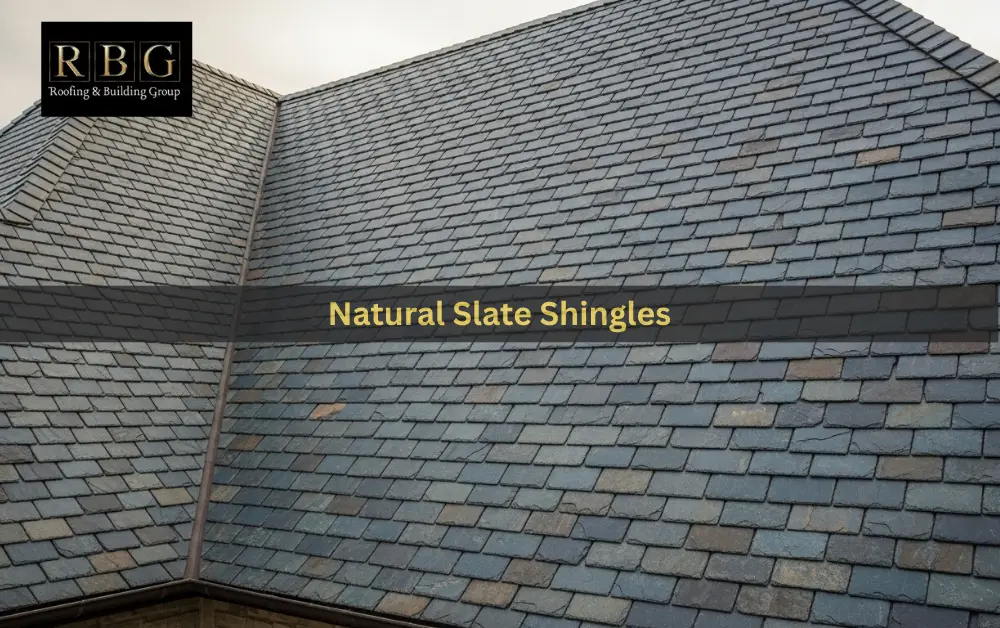
Natural Slate Shingles
Natural slate shingles are made from quarried stone and are known for their exceptional durability and premium appearance. They can last over 100 years with proper installation and maintenance. Slate is naturally resistant to fire, water, and harsh weather conditions. However, it is heavy and requires a strong roof structure for support.
Lifespan: 75–150 years
Cost Range: £50–£200+ per m²
Pros of Natural slate shingles:
- Extremely long lifespan
- Premium architectural finish
- Highly weather resistant
- Minimal maintenance required
Cons of Natural slate shingles:
- Very expensive material
- Heavy and requires reinforced structure
- Complex installation process
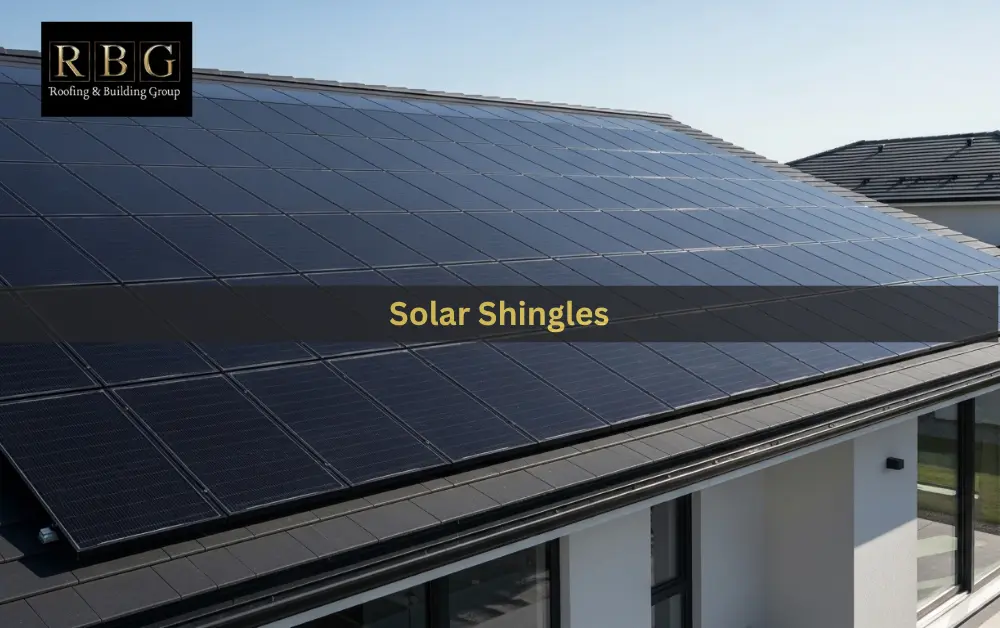
Solar Shingles
Solar shingles combine roofing protection with built in solar energy generation technology. They produce electricity while blending seamlessly into the roof surface. These shingles help reduce energy bills and support eco friendly living. However, they come with higher installation costs and require specialist installation.
Lifespan: 25–30 years
Cost Range: £400–£900 per m²
Pros of Solar Shingles:
- Generates renewable energy
- Reduces electricity bills
- Modern seamless appearance
- Environmentally friendly
Cons of Solar Shingles:
- Very high installation cost
- Limited availability
- Lower efficiency than standard solar panels
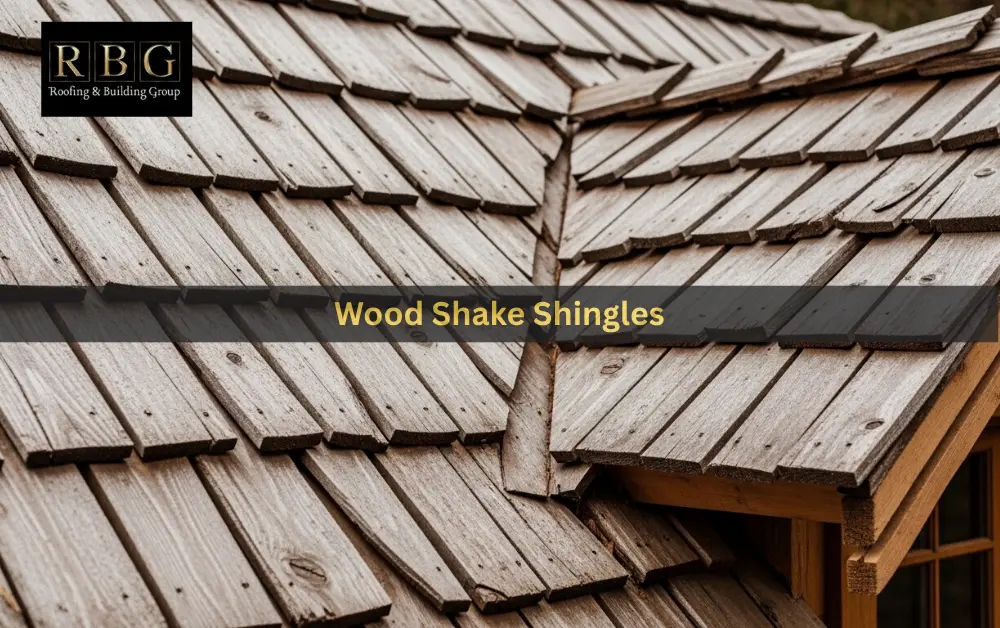
Wood Shingles
Wood shake shingles are made from natural timber such as cedar, offering a rustic and traditional appearance. They provide good insulation and blend well with natural surroundings. Over time, they develop a weathered look that adds character to the roof. However, they require regular maintenance to prevent rot and moisture damage.
Lifespan: 20–40 years
Cost Range: £60–£180 per m²
Pros of Wood Shingles:
- Natural and attractive finish
- Good insulation properties
- Environmentally friendly
Cons of Wood Shingles:
- Requires regular maintenance
- Vulnerable to moisture and rot
- Fire treatment often required
Clay and Concrete Tile Shingles
Clay and concrete tile shingles are durable roofing materials commonly used in traditional and Mediterranean style homes. They are highly resistant to fire, rain, and frost, making them suitable for various climates. Clay tiles offer a natural aesthetic, while concrete tiles provide a more affordable option. Their heavy weight requires a reinforced roof structure.
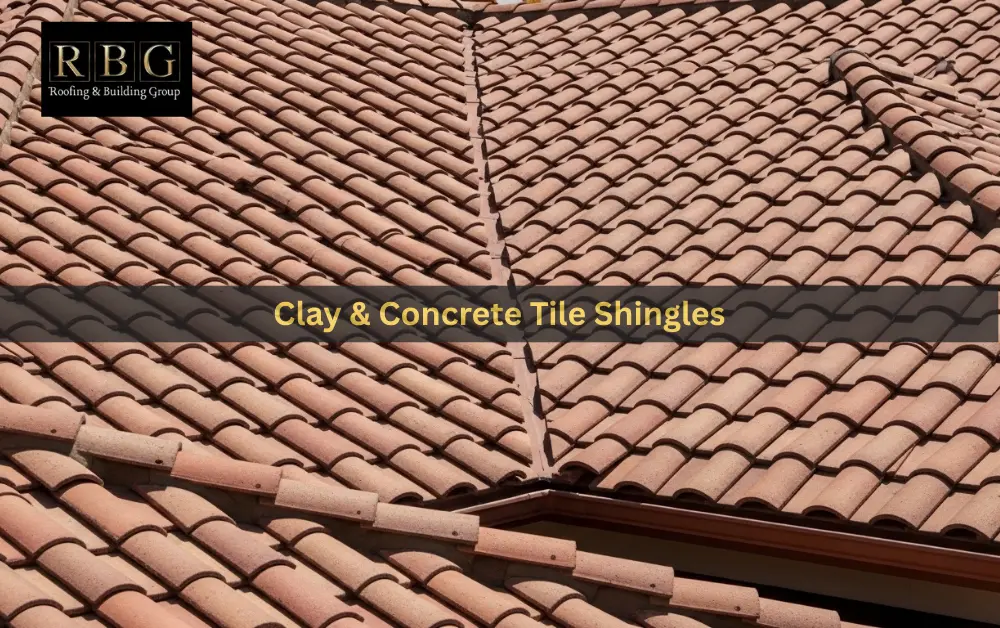
Lifespan: 40–100 years
Cost Range: £30–£120 per m²
Pros of Clay and Concrete Shingles:
- Long lasting performance
- Fire and weather resistant
- Attractive traditional appearance
- Strong durability
Cons of Clay and Concrete Shingles:
- Heavy roofing material
- Installation requires expertise
- Tiles may crack under impact
Synthetic (Composite) Shingles
Synthetic shingles are engineered roofing materials designed to replicate the look of slate, wood, or tile. They are lightweight, durable, and resistant to impact, UV rays, and harsh weather. These shingles require minimal maintenance while offering a premium appearance. They are becoming increasingly popular as a modern roofing solution.
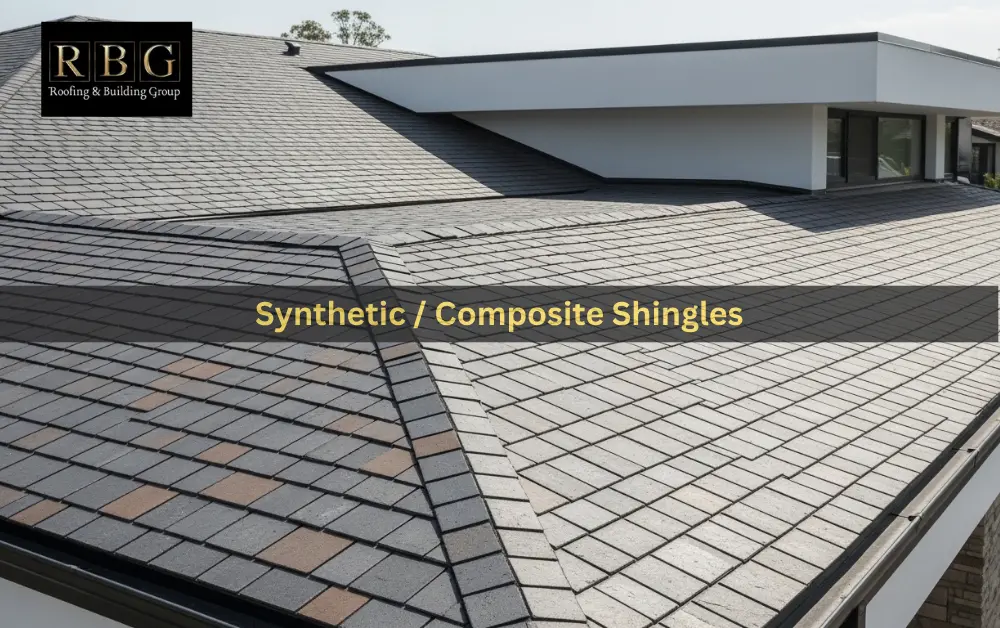
Lifespan: 30–50 years
Cost Range: £50–£150 per m²
Pros of Synthetic Shingles:
- Lightweight yet strong
- Resistant to impact and weather
- Low maintenance
- Wide design variety
Cons of Synthetic Shingles:
- Quality varies by manufacturer
- Newer material with shorter track record
- Higher upfront cost
Benefits of Roof Shingles
Roof shingles remain one of the most popular roofing choices for UK properties due to their versatility, durability, and reliable performance. They are suitable for a wide range of architectural styles and can be adapted to different budgets and requirements. Modern shingles offer strong protection against rain, wind, and changing weather conditions throughout the year. They also come in various materials and designs, allowing homeowners to achieve both functionality and aesthetic appeal. Overall, roof shingles provide a practical, cost effective, and long lasting roofing solution.
Key advantages include:
- Reliable protection against wind, rain, and frost
- Wide range of materials, colours, and designs
- Suitable for different budgets and property types
- Easy maintenance and individual tile replacement
- Good thermal performance with modern systems
- Strong return on investment in property value
How Roof Shingles Compare to Other Roofing Materials
Roof shingles offer a strong balance between affordability, durability, and design flexibility, making them one of the most practical roofing choices for residential properties. Compared to slate, shingles are significantly more cost effective and easier to install, although slate generally provides a longer lifespan and a more premium finish. When compared to metal roofing, shingles may not match the same level of strength or longevity, but they offer a quieter performance and a more traditional aesthetic that suits many UK homes. Shingles are also easier to repair, as individual sections can be replaced without major disruption to the entire roof. Overall, they provide a reliable and budget friendly alternative to more expensive roofing materials while still delivering solid long term performance.
Roof Shingles Maintenance Tips
To ensure your roof shingles remain in excellent condition for years, regular maintenance is essential. Proper care helps prevent damage, improves durability, and reduces the risk of costly repairs over time. These are some tips to help you maintain your roof effectively:
- Inspect the roof at least twice a year for any visible damage or wear
- Keep gutters clean and free from leaves, dirt, and debris
- Remove moss, algae, or lichen as soon as it appears
- Replace broken, loose, or missing shingles without delay
- Ensure proper roof ventilation to prevent moisture buildup
If you spot damage during inspections, quick action is essential to prevent leaks and costly repairs. Follow our step-by-step guide on how to repair roof shingles for expert advice.
Choosing the Right Roof Shingles
When selecting shingles for your property, consider:
- Climate conditions (rain, wind, frost exposure)
- Budget and long term value
- Roof structure strength
- Aesthetic preferences
- Warranty and product lifespan
Choosing the right roofing material ensures better durability, improved performance, and long term protection for your home. For expert advice and professional installation, contact RBG Roofing Ltd today to find the best roofing solution for your property.
Contact a Roofing Professional
Roofing issues should always be addressed early to avoid more serious structural damage and costly repairs. Even small signs of wear can indicate underlying problems that need expert attention. At RBG Roofing Ltd, we provide best roofing inspections, repairs, and installations to keep your property fully protected. As expert roofing contractors in Forest of Dean, our team delivers reliable, high quality solutions designed to ensure long term performance and peace of mind.
Contact us today to book a professional roof inspection and get trusted roofing services tailored to your needs.
Conclusion
Roof shingles are a reliable and adaptable roofing solution suitable for a wide range of properties. With multiple materials available from affordable asphalt to premium slate and solar options homeowners can choose a system that fits both their budget and performance needs. By selecting the right shingles and ensuring proper installation and maintenance, you can protect your property for decades while enhancing its appearance and value.
FAQs
Can I install shingles over existing ones?
In some cases yes, but most professionals recommend removing old shingles first to inspect the deck, ensure proper installation, and avoid added weight on the structure.
Do shingles affect my home’s energy efficiency?
Yes, cool roof asphalt shingles can reflect up to 25–40% of solar heat, reducing attic temperatures and lowering cooling costs by up to 10–15% annually.
How do I know when my shingles need replacing?
Look for missing, cracked, or curling shingles, granule buildup in gutters, water stains on ceilings, or shingles that are approaching the end of their rated lifespan.
