
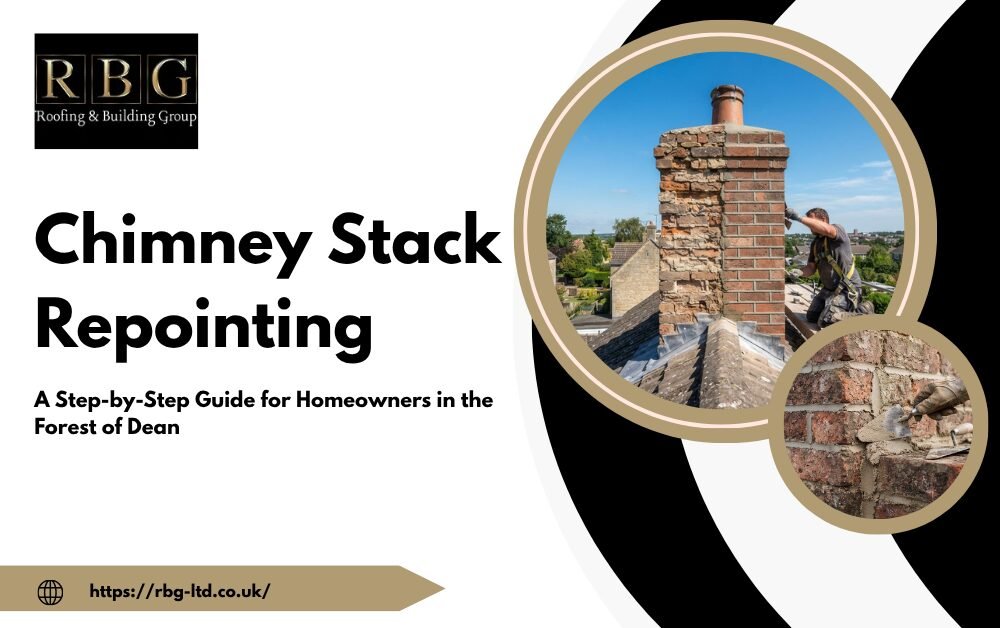
Crumbling mortar, hairline cracks, or damp patches near your chimney breast are often early signs that your chimney stack needs attention. Chimney stacks are among the most exposed parts of any property, taking the brunt of rain, wind, and frost year-round, which gradually wears down the mortar joints and leaves the brickwork vulnerable to water damage.
So, what is chimney repointing? In simple terms, it’s the process of removing old, worn mortar from between the bricks and replacing it with fresh mortar, restoring the chimney’s protection against water and structural strain.
For homeowners in Forest of Dean, where older properties and changeable weather are common, chimney repointing is a maintenance task that shouldn’t be ignored. This guide walks you through what chimney stack repointing is, the warning signs to watch for, how to repoint a chimney stack, and how long it lasts.
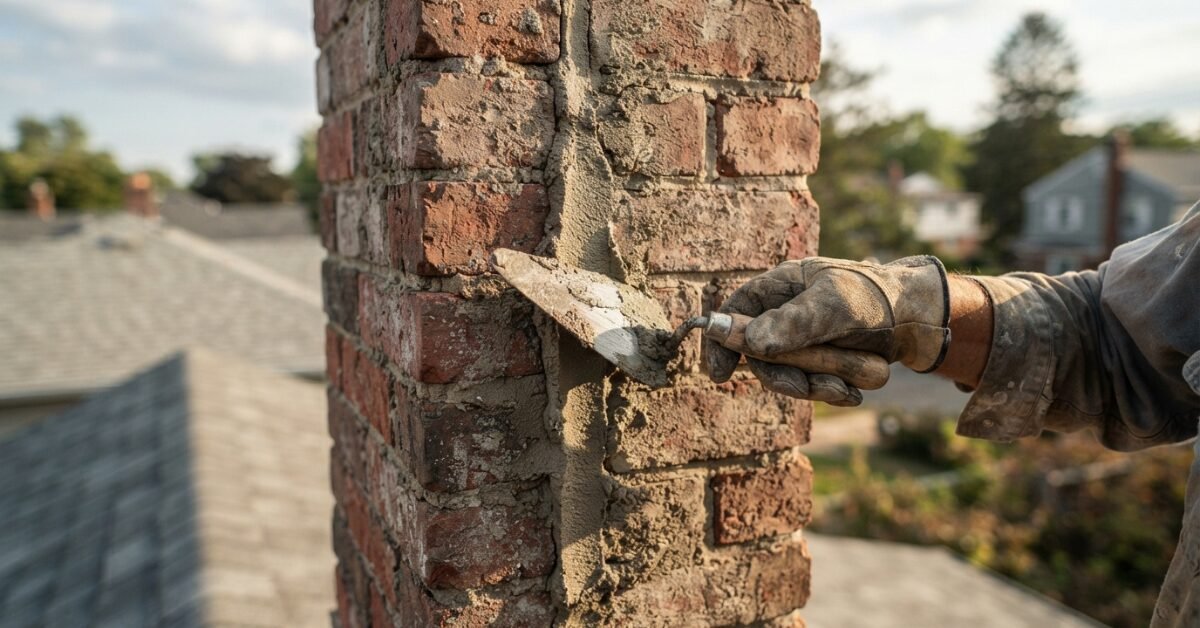
Signs Your Chimney Stack Needs Repointing
Catching the early signs of mortar deterioration can save you from a far more costly repair down the line. Experienced roofers in Forest of Dean recommend keeping an eye out for the following signs:
- Crumbling or missing mortar between bricks
- Visible cracks running through the brickwork
- Damp patches appearing near the chimney breast inside your home
- Loose or shifting bricks on the stack
- Water stains or ingress in the loft space below the chimney
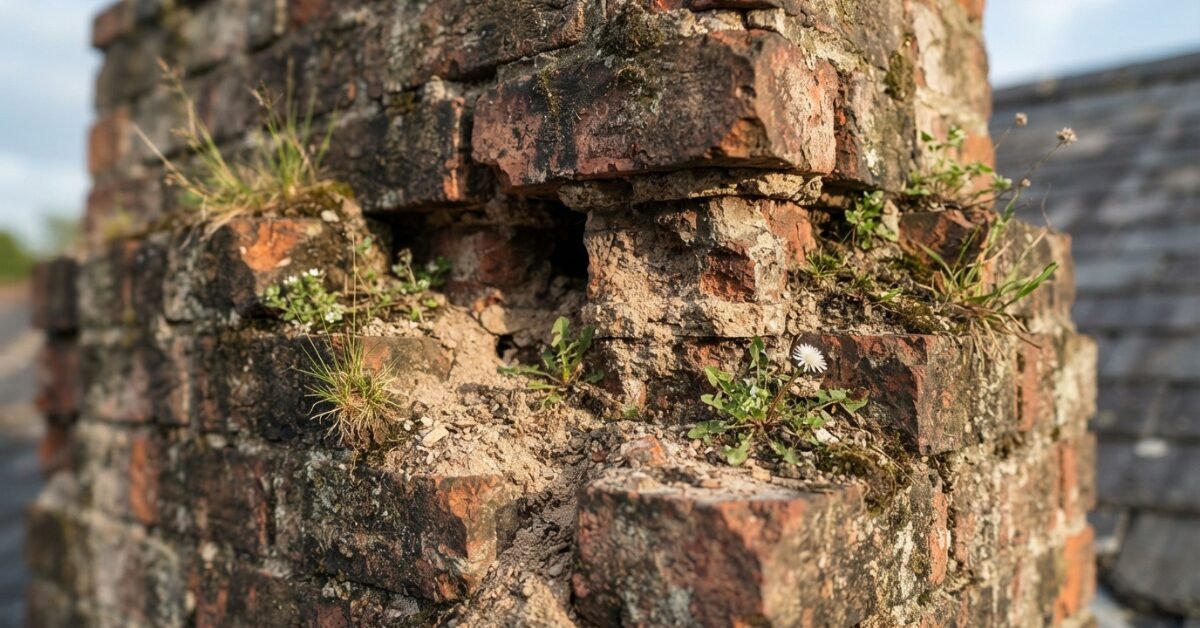
If you notice any of these signs, it’s worth arranging an inspection before the problem worsens.
Causes of Mortar Deterioration
Mortar doesn’t break down overnight. It’s usually the result of ongoing exposure and, in some cases, poor workmanship from the original build or a previous repair.
Weather exposure is the biggest factor. Chimney stacks sit higher than the rest of the roofline, meaning they take the full force of rain, wind, and frost. Repeated freeze-thaw cycles are particularly damaging, as water seeps into small cracks, freezes, expands, and gradually breaks the mortar apart.
Age of the property also plays a role. Older homes in the Forest of Dean may have mortar that’s simply reached the end of its natural lifespan, especially if it hasn’t been repointed in several decades.
Poor original workmanship or the wrong mortar mix can also accelerate deterioration. Using a cement-based mortar on an older, softer brick chimney, for example, can cause the bricks themselves to crack under pressure, since the mortar becomes harder than the brick it’s meant to protect.
Chimney Stack Repointing Process: Step-by-Step
Repointing chimney stack is a methodical process, and each stage plays a part in ensuring the finished result is durable and weatherproof.
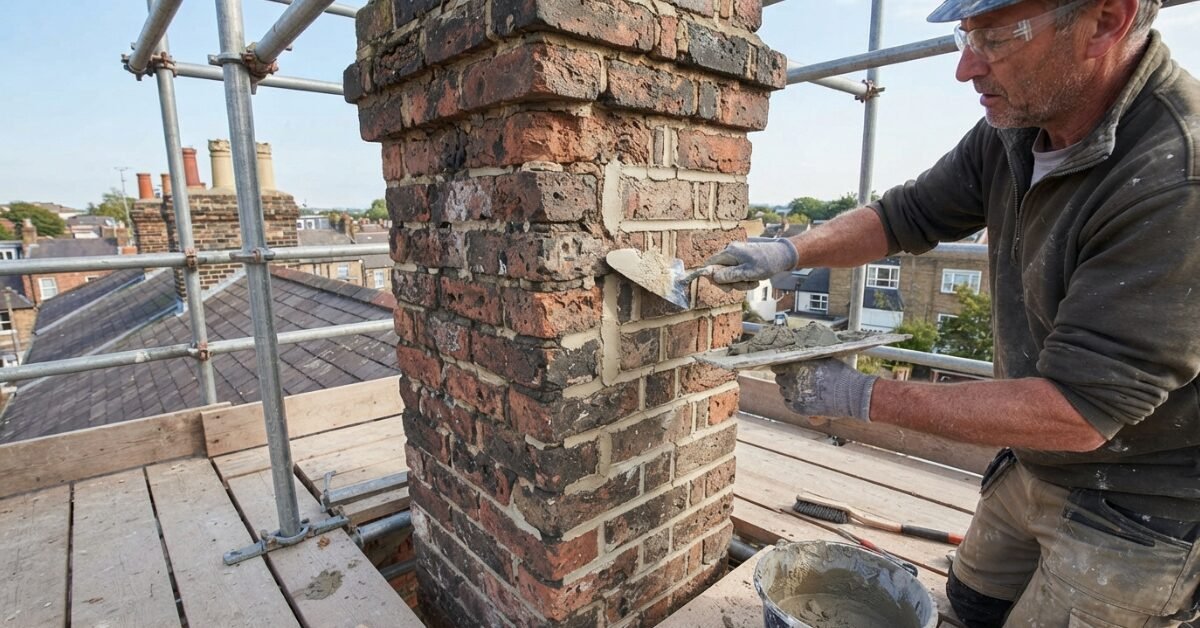
Inspection and assessment
Before any work begins, the chimney stack is thoroughly inspected to assess the extent of mortar damage, check for structural issues, and identify the original mortar type. This step determines how much Chimney Stack Repointing is needed and whether any additional repairs should happen alongside it.
Raking out old mortar
The damaged mortar is carefully raked out from the joints to a consistent depth, usually around 15-20mm. This is done without damaging the surrounding brickwork, which requires a steady hand and the right tools.
Choosing the right mortar mix
Selecting the correct mortar is one of the most important steps in Chimney Stack Repointing, particularly for older properties. Lime mortar is often the better choice for period homes, as it’s more flexible and allows moisture to escape rather than trapping it. Cement-based mortar may be suitable for newer builds, but using it on the wrong type of property during repointing can cause long-term damage.
Repointing technique
Fresh mortar is packed into the raked-out joints, ensuring full coverage and a strong bond with the existing brickwork. The joints are worked carefully to avoid air pockets or weak spots.
Finishing and weatherproofing
Once the mortar is applied, the joints are finished to match the existing profile, whether that’s a flush, weathered, or recessed finish. This step also helps direct rainwater away from the joints rather than allowing it to pool.
Clean-up
Excess mortar is cleaned from the brick faces before it fully sets, leaving a neat, professional finish that blends with the rest of the chimney.
How Long Does Repointing Take and How Long Does It Last?
Most chimney Chimney Stack Repointing jobs are completed within a day or two, depending on the stack’s size and the extent of the damage. Weather conditions can also affect timing, since mortar needs the right temperature and dry conditions to cure properly.
In terms of lifespan, a well-executed repointing job with the correct mortar mix can last 20 to 30 years, sometimes longer, before it needs attention again. The key factor is getting the mortar type right for your property from the outset.
If you're wondering what this costs, our chimney repair cost guide breaks down the key pricing factors.
DIY vs Hiring a Professional
Chimney stack Repointing might look like a straightforward job from the ground, but it carries real risks if attempted without the right experience.
- Working at height is the most obvious concern. Chimney stacks are often the highest point of a property, and without proper scaffolding, harnesses, and safety training, DIY repointing can be dangerous.
- Getting the mortar mix wrong is another common pitfall. As mentioned earlier, using the wrong type of mortar on an older chimney can cause more harm than good, sometimes leading to cracked bricks that require far more expensive repairs.
- Structural knowledge also matters. What looks like simple mortar wear can sometimes be a sign of a deeper structural issue, and an untrained eye might miss it entirely.
- Weather timing can make or break the job. Repointing in the wrong conditions, such as during frost, heavy rain, or extreme heat, can stop the mortar from curing properly, leading to weak joints that fail within months rather than years.
- Access and equipment costs add up quickly. Scaffolding hire, safety gear, and the right tools for mixing and applying mortar can end up costing more than hiring a professional in the first place, without any guarantee of a lasting result.
- Matching the existing brickwork is harder than it looks. Getting the mortar color and finish to blend with the rest of the chimney takes experience, and a mismatched repair can stand out and affect the property’s curb appeal.
- Missing underlying damage is a real risk. Repointing alone won’t fix issues like a leaning stack, damaged flashing, or a failing chimney cap, and covering these problems with fresh mortar can mask the need for repairs elsewhere.
This is where working with professional roofers in Forest of Dean makes a real difference. At RBG Roofing, we offer chimney repair services, bringing the experience, proper materials, and safety equipment needed to get the job done right the first time. We assess each property individually, use mortar suited to your home’s age and type, and carry out the work using the access equipment required for safe work. A professionally repointed chimney doesn’t just look better; it lasts significantly longer and protects your home from further water damage.
conclusion
A chimney stack in good repair does more than protect your home’s aesthetics; it safeguards your property from water damage, structural deterioration, and costly repairs down the line. Recognising the early signs of mortar wear and acting on them promptly can save Forest of Dean homeowners significant time and expense in the long run.
Whether you’re dealing with visible cracks, crumbling mortar, or damp patches inside your home, the safest and most effective solution is to have your chimney assessed by Experienced roofers in Forest of Dean. At RBG Roofing, we bring the expertise, materials, and safety standards required to perform chimney repointing correctly, ensuring your chimney stack remains structurally sound and weatherproof for decades to come.
If you’ve spotted any signs of mortar deterioration on your chimney stack, don’t wait for the problem to grow. Contact us to book an inspection and receive a clear, honest quote for your chimney repointing needs.
FAQs
How much does chimney repointing cost?
Costs vary depending on the size of the chimney stack, the extent of the damage, and access requirements. It’s best to arrange an inspection and quote to get an accurate cost estimate for your specific property.
How often should a chimney be repointed?
Most chimneys need repointing every 20 to 30 years, though this can vary depending on the mortar type originally used and the property’s exposure to harsh weather.
Can I repoint a chimney myself?
While it’s technically possible, working at height and choosing the correct mortar mix requires specific skills and equipment. DIY repointing carries safety risks and can lead to costly mistakes if the wrong materials are used.
How long does chimney repointing last?
A properly repointed chimney using the right mortar mix typically lasts 20 to 30 years before further work is needed.
