
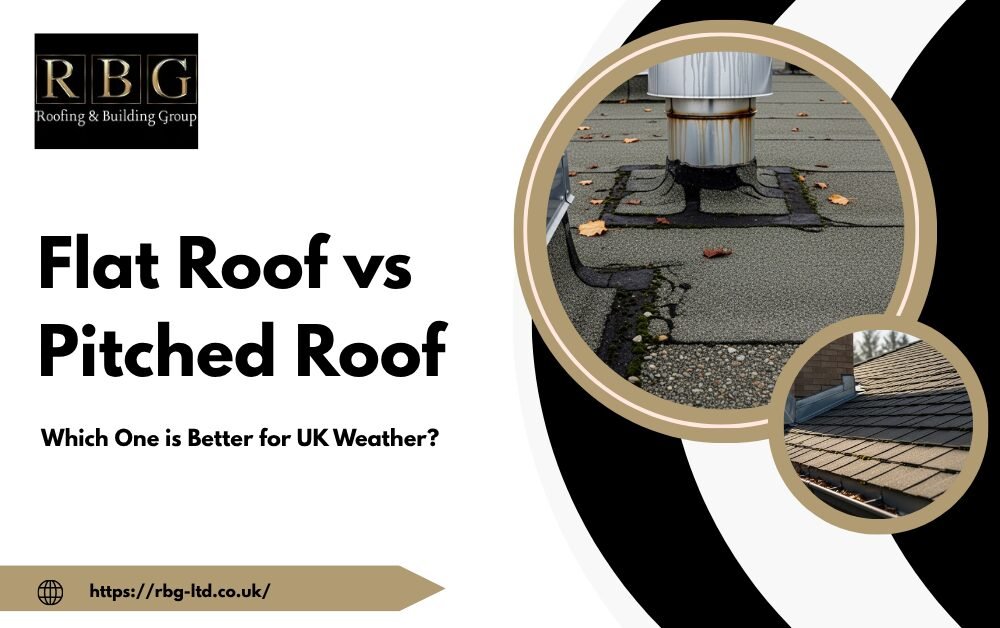
Flat roof vs pitched roof: choosing the right roofing style is crucial in the UK, where unpredictable weather includes frequent rain, strong winds, and persistent dampness. Your roof should be designed for long-term durability.
In this guide, we’ll compare flat and pitched roofs to help you understand which option works best for your home, budget, and long-term needs.
Understanding Flat and Pitched Roofs
Before evaluating performance, it is important to understand how each roofing type functions.
What is a Flat Roof?
A flat roof is not entirely level; it features a slight slope to facilitate water drainage. This design is common in modern homes, extensions, and commercial buildings.
Flat roofs require proper construction and high-quality materials, which is why choosing expert flat roofing services is essential.
What is a pitched roof?
A pitched roof features a sloped design that enables water and debris to run off efficiently. This traditional style is widely used in UK homes for its durability and weather resistance.
The primary distinction between pitched and flat roofs lies in how each handles rain and moisture.
UK Weather Conditions and Roof Performance
The UK climate is characterised by frequent rainfall, strong winds, damp air, and occasional snow.
- Frequent rainfall,
- strong winds,
- damp and humid air,
- and occasional snow.
Given these factors, selecting either a flat or pitched roof is essential to ensure long-term performance.
Flat Roof vs Pitched Roof: Key Differences
1. Water Drainage
- Flat Roof: Slower drainage may cause water to pool if not properly designed.
- Pitched Roof: The slope provides effective drainage.
This is one of the biggest differences between flat and pitched roofs in UK weather.
2. Durability and Weather Resistance
- Flat Roof: More exposed to standing water and weather damage
- Pitched Roof: Better equipped to handle heavy rain and severe weather.
Many common flat-roof problems stem from water pooling and inadequate maintenance, often leading to the issues outlined in our guide on common causes of roof leaks.
3. Maintenance Requirements
- Flat Roof: Requires frequent inspection and maintenance.
- Pitched Roof: Typically requires less maintenance.
Homeowners often encounter problems with flat roofs when regular maintenance is neglected, which is why professional roof repair services are essential for keeping your roof in good condition.
4. Cost Comparison
When considering flat roof vs pitched roof costs in the UK, flat roofs are usually cheaper to install initially.
- Flat Roof: Lower initial cost.
- Pitched Roof: Higher initial cost but longer lifespan.
5. Materials and Construction
The performance of flat roofs depends largely on the quality of materials and installation.
Common flat roof systems include:
- EPDM rubber roofing
- Felt roofing
- Fibreglass (GRP)
Choosing the best flat roof material is essential for preventing leaks and extending the roof’s lifespan. Roofing work should comply with UK building regulations to ensure safety and long-term performance.
6. Lifespan
- Flat Roof: Typically 10–20 years
- Pitched Roof: Can last 30–50+ years
Flat Roof Pros and Cons
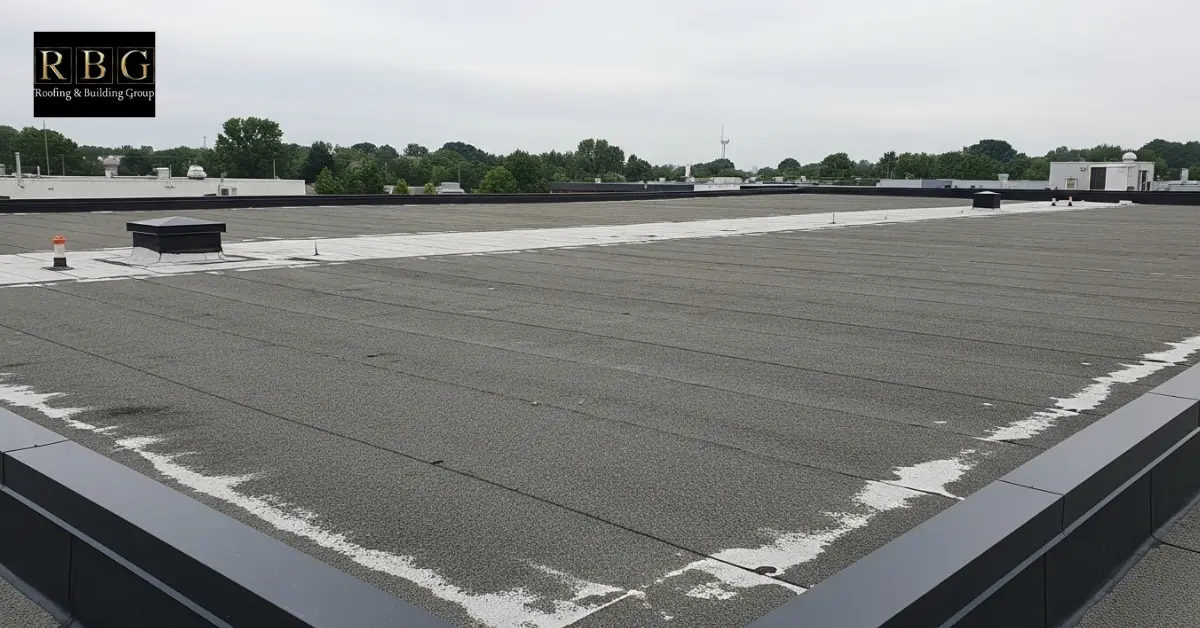
Advantages
- Cost-effective installation
- Ideal for extensions and modern homes
- Easier access for maintenance
- Suitable for rooftop use
Disadvantages
- Prone to water pooling
- Requires regular maintenance
- Higher risk of leaks over time
Pitched Roof Pros and Cons
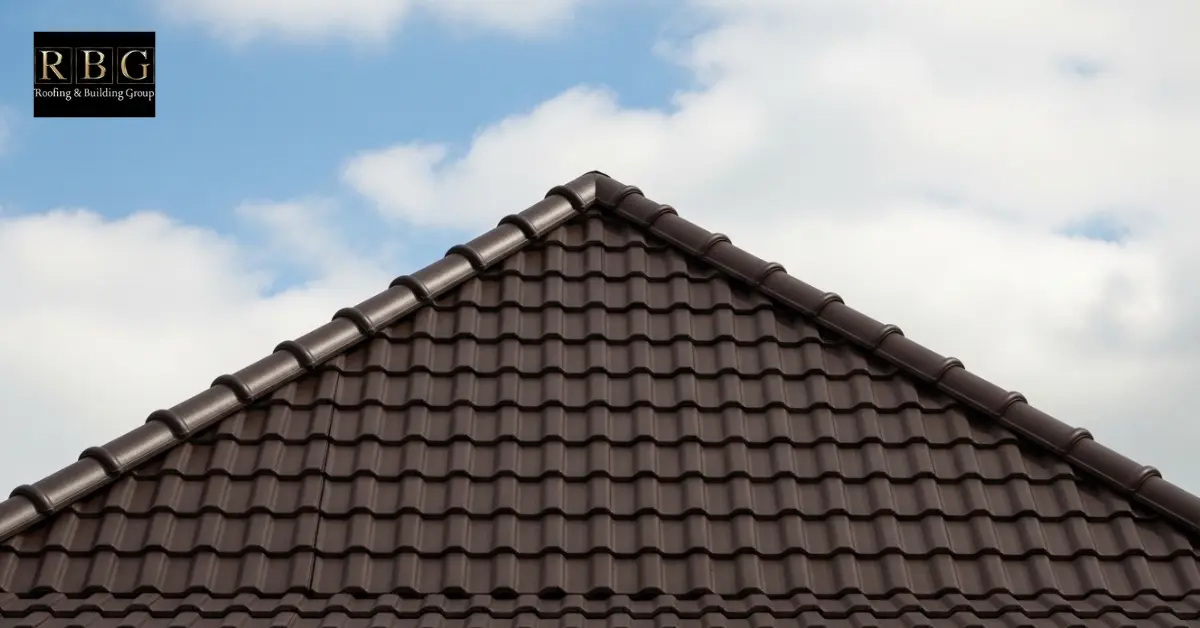
Advantages
- Excellent drainage
- Long lifespan
- Better weather resistance
- Less maintenance required
Disadvantages
- Higher installation cost
- More complex construction
Which Roof is Better for UK Weather?
For most UK homes, a pitched roof is typically preferable because it manages rain and moisture more effectively.
However, flat roofs remain a viable option if the following conditions are met:
- High-quality materials are used.
- Proper drainage is ensured.
- Regular maintenance is carried out.
Ultimately, the choice between a flat or pitched roof depends on your budget, design preferences, and long-term objectives.
Roof Maintenance Tips
Following proper roof maintenance tips can help extend your roof’s lifespan and prevent costly damage over time.
- Conduct regular roof inspections.
- Keep gutters and drainage systems clear.
- Address minor issues promptly.
- Arrange for professional inspections as needed.
Which Is More Expensive: A Flat Roof or a Pitched Roof?
In the UK, flat roofs are typically less expensive to install than pitched roofs. They require fewer materials and less labour, making them a popular choice for extensions and smaller projects.
Pitched roofs have a higher initial cost because of their complex structure and additional materials. However, they offer greater durability and a longer lifespan, which can lower maintenance and repair expenses over time.
A flat roof is more affordable upfront, but a pitched roof often delivers better long-term value, particularly given the UK’s challenging weather conditions.
When choosing between a flat and pitched roof, consider both installation costs and long-term maintenance and durability.
If you are unsure whether a flat or pitched roof suits your home, a professional roofing expert can provide guidance tailored to your property and budget. Contact us today for expert advice and reliable roofing solutions designed for UK weather conditions!
Conclusion
Choosing between a flat roof and a pitched roof ultimately depends on your priorities, budget, and the demands of the UK weather.
Understanding the key differences in durability, cost, and maintenance helps you make an informed decision that protects your property for years to come. If you’re unsure which option is right for your home, seeking professional advice can ensure you choose a roofing solution that delivers both performance and value.
FAQs
Is a flat roof good for UK weather?
Flat roofs can perform well in the UK when constructed with quality materials and effective drainage. However, frequent rain increases the risk of water pooling, so regular maintenance is often required more often than with pitched roofs.
What are the main flat roof problems?
Some common flat roof problems include water pooling, leaks, and a shorter lifespan. These problems often result from poor installation, low-quality materials, or insufficient maintenance.
Which roof lasts longer: flat or pitched?
Pitched roofs generally last longer than flat roofs. Flat roofs typically last 10 to 20 years, while pitched roofs can last 30 to 50 years or more with proper care.
How do I decide between a flat or pitched roof?
The choice between a flat or pitched roof depends on your budget, design preferences, and maintenance expectations. Flat roofs are initially more affordable, while pitched roofs offer greater durability and weather resistance in the UK.
