
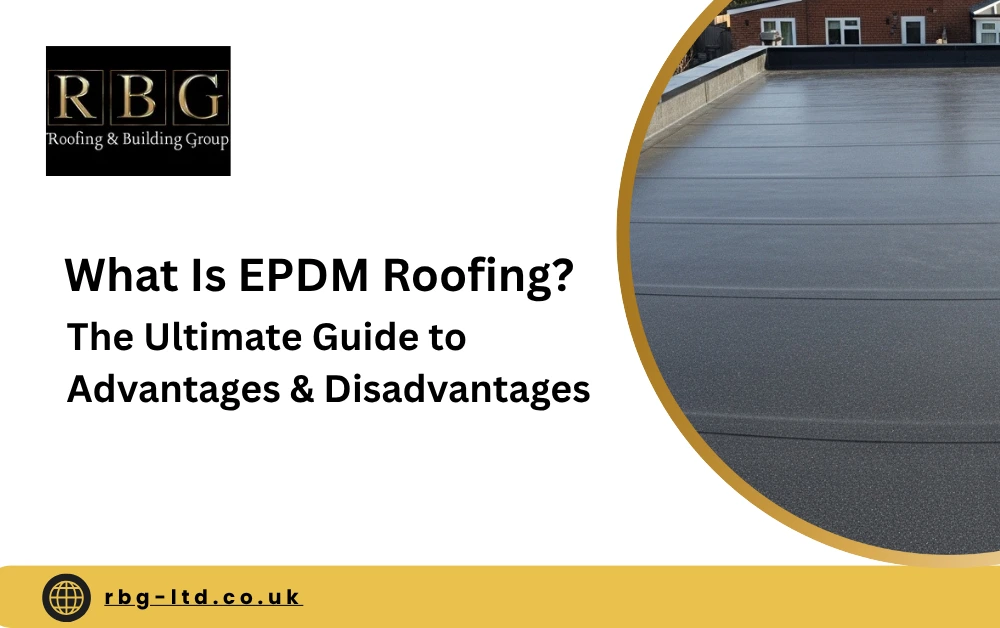
Many homeowners want to know what is EPDM roofing and why it is so common on flat roofs. EPDM is a strong rubber roof made from ethylene propylene diene monomer, known for lasting a long time. This EPDM rubber sheet is fitted as a single layer, so it sits flat on the roof and creates a tidy, sealed surface. It has been used for more than 50 years on homes and commercial buildings.
The material withstands rain, sunlight, and cold weather. It is tear-resistant, needs little care, and stays flexible for many years. Because the EPDM membrane is lightweight and easy to install, it is often chosen for its long lifespan and low maintenance. As experienced local roofers, we will guide you through the main advantages, the disadvantages, and the key things to know before choosing EPDM for your property.
Advantages of EPDM Roofing
EPDM roofing offers many benefits, which is why it is a popular choice for flat and low-slope roofs across the UK. Here are the main advantages:
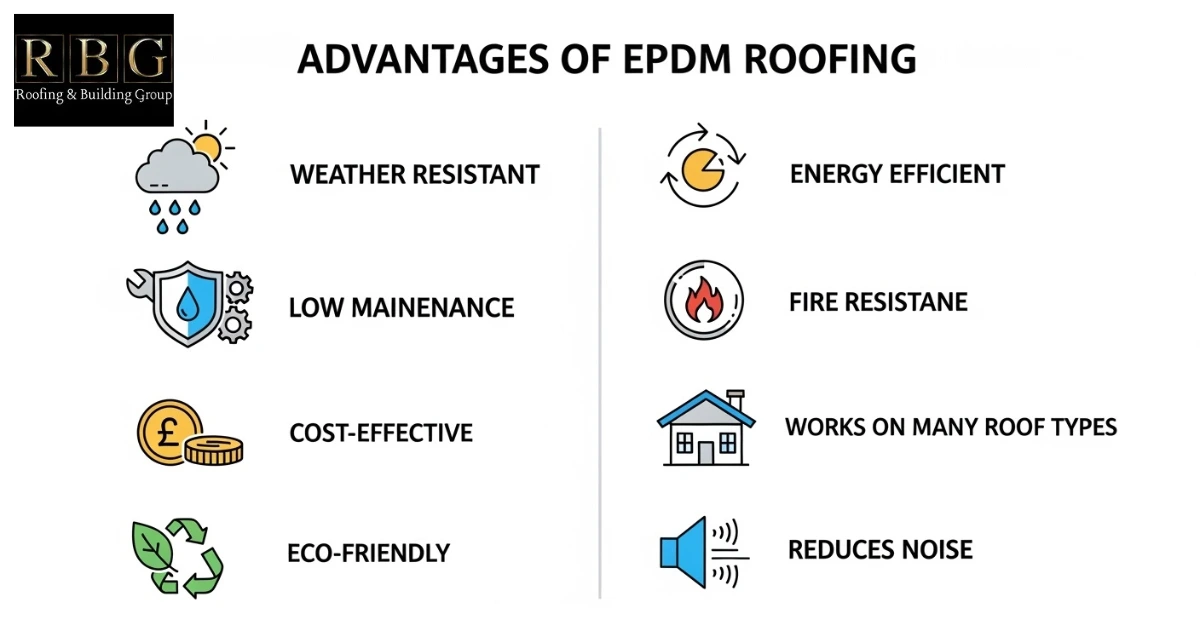
- Weather resistant
EPDM copes well with harsh sunlight, heavy rain, hail, and strong winds. It remains flexible in both hot and cold weather, helping the roof last longer without cracking. - Water resistant
The EPDM membrane is fully waterproof. When fitted correctly, it dramatically lowers the risk of leaks and protects your home from water damage. - Low maintenance
EPDM roofs need very little care. The material is tough, tear-resistant, and rarely needs repairs, which helps reduce long-term costs. - Cost-effective
Compared to many other flat roof materials, EPDM rubber is affordable. It offers a long lifespan at a lower price, making it a good option for homeowners and businesses. - Energy efficient
EPDM can reflect sunlight, helping reduce heat buildup on warm days. This can make the indoor space more comfortable and lower cooling costs. - Environmentally friendly
EPDM is recyclable and has a long lifespan, making it a more eco-friendly choice than many older flat roof materials. - Fire resistant
EPDM has high fire resistance. This adds an extra layer of safety for the property. - Works on many roof types
The material is suitable for flat roofs, low-slope roofs, and even some pitched roofs. This makes it a flexible option for different buildings. - Reduces noise
Because EPDM is a rubber material, it helps absorb outside noise. This can make the home or workplace quieter and more comfortable.
Disadvantages of EPDM Roofing
EPDM roofing has many strengths, but there are a few downsides to consider before choosing it for your property.
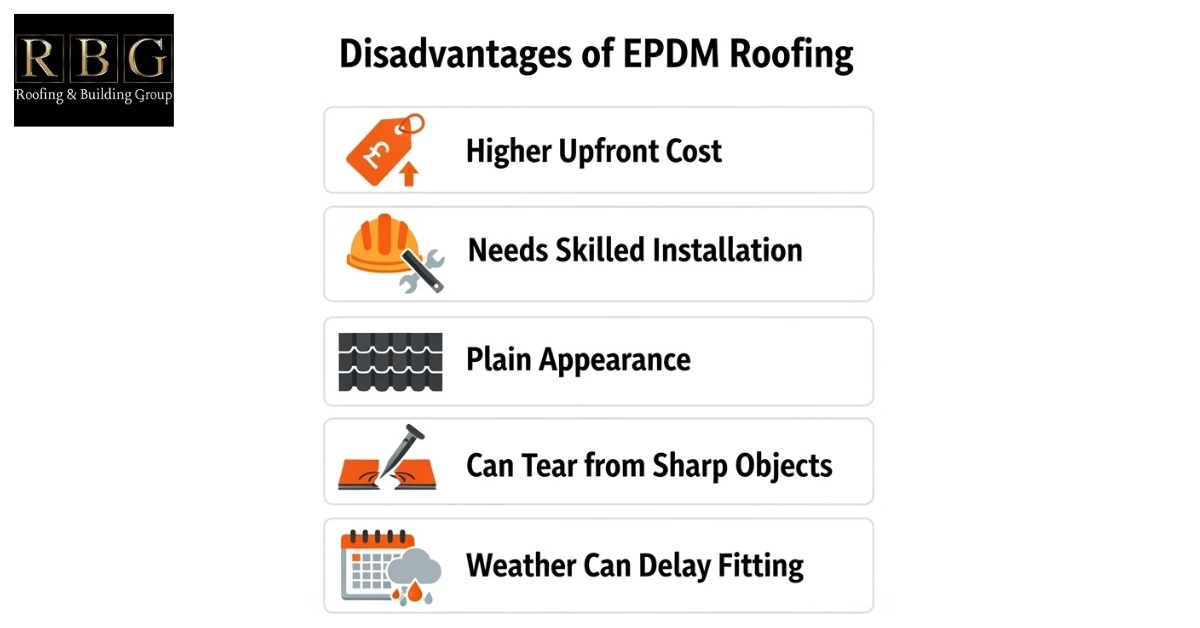
- Higher upfront cost for some budgets
Although EPDM is cost-effective over its whole lifespan, the first installation cost can feel high for some homeowners. The material and fitting both require proper tools and skill, which can increase the initial price. - Needs skilled installation
EPDM works best when fitted by an experienced roofer. Poor installation can lead to bubbles, loose edges, or weak joints, which may cause leaks later. - Not the most stylish option
EPDM is usually black and has a plain finish. Some homeowners prefer a roof with more colour choices or a textured look. - Can be damaged by sharp objects
While EPDM is tough, sharp debris, dropped tools, or heavy foot traffic can cause cuts or tears if people walk on it without care. - The weather can slow fitting
EPDM is glued down, so very cold or very wet weather can delay installation if the adhesive doesn’t bond properly.
Even with these drawbacks, many homeowners still choose EPDM for its long lifespan and low maintenance. Understanding the disadvantages helps you decide if it suits your roof. If you are going for EPDM roofing for your property, make sure to choose professional flat roofing services. The way the EPDM membrane is fitted makes all the difference, and expert-level EPDM roof installation ensures a long-lasting, leak-free roof.
Conclusion
If you’re thinking about an EPDM roof for your property, it’s essential to choose experienced professionals. A well-fitted EPDM membrane can last for many years, protecting your home from leaks and extreme weather.
The cost and lifespan make it a wise investment, but getting it installed correctly is what really matters. Look for roofers with proven experience, check their past work, and contact trusted flat roofers. A properly fitted EPDM roof can make a big difference in comfort, durability, and peace of mind. Quality installation ensures you get the full benefits of this long-lasting, low-maintenance roofing material.
FAQ’s
What Thickness of EPDM Roofing Is Best for a Flat Roof?
For most flat roofs, a 1.2-1.5mm EPDM membrane is ideal. Thicker sheets offer extra durability and tear resistance, while thinner sheets are easier to handle. Choosing the right EPDM rubber sheet ensures a long-lasting, leak-free roof.
What Are the Best Alternatives to EPDM Roofing?
If EPDM is not suitable, alternatives include TPO roofing, PVC roofing, and bitumen felt. These flat roof materials offer water resistance, durability, and low maintenance. The choice depends on budget, roof design, and whether you want a reflective or flexible membrane.
What Are the Most Common Problems With EPDM Roofing?
Common issues with EPDM roofing include poorly sealed seams, punctures from sharp objects, and damage caused by improper installation. Weather-related wear and heavy foot traffic can also affect the EPDM membrane, but proper fitting and maintenance prevent most problems.
What Is the Cost of EPDM Roofing Material in the UK?
The cost of EPDM roofing material in the UK usually ranges from £20 to £50 per square metre, depending on thickness, quality, and brand. Professional installation adds to the price, but the long lifespan and low maintenance make it cost-effective overall.
