
The UK has a wide range of roof types, shaped by the weather, building rules, and the style of homes across the country. From traditional pitched roofs to modern flat roof types, each roof design is built to suit different houses and conditions. Roof shapes and roof styles can vary by area, age of the property, and how the house is used.
Understanding the different types of roofs helps homeowners choose the right roof for their property. The roof type, pitch of a roof, and roof construction all play an important role in how well a roof handles rain, wind, and long-term use. Choosing the correct house roof can improve durability, comfort, and the overall look of the roof of a house in the UK climate. So, as experienced local roofers, we will teach you the types of roofs used in the UK.
Types of Roofs
Gable Roof (Duo-Pitch Roof)
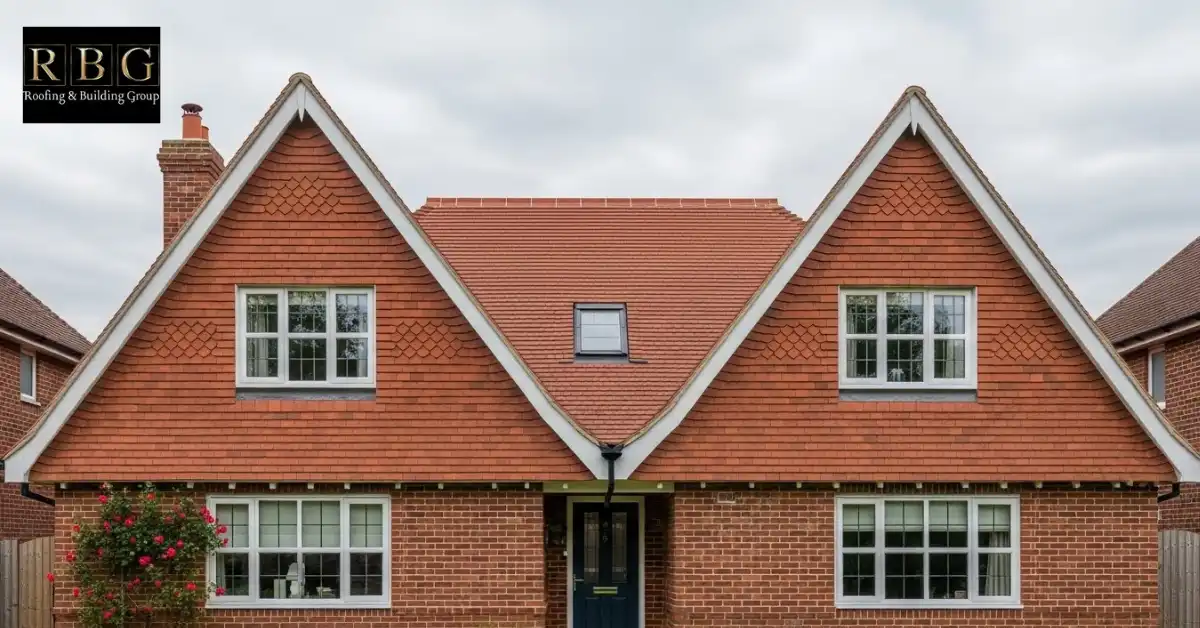
The gable roof, also called a duo-pitch roof, is one of the most common roof types in the UK. It has two sloping sides that meet at a central ridge, forming a triangle on each end. This roof shape is ideal for shedding rain and snow, which makes it well-suited to the UK climate.
Gable roofs are often seen on modern homes and traditional houses alike. They are simple to construct and offer good space for lofts or attic conversions. Some older homes feature a double gable roof, giving extra style and space while maintaining strong roof construction.
Hip Roof
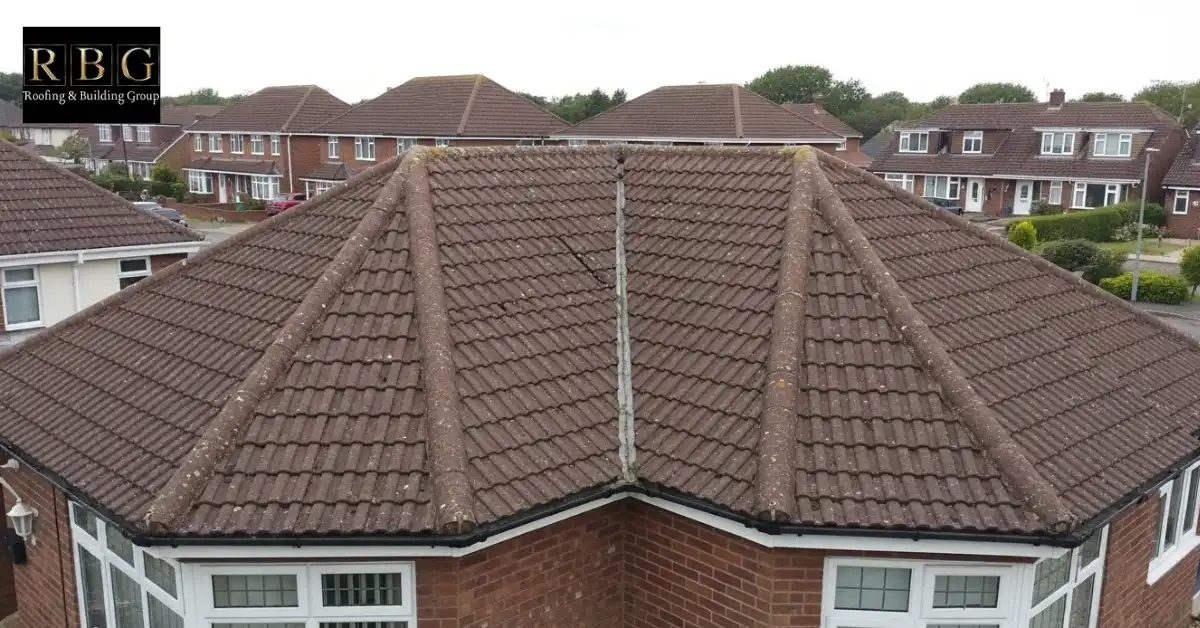
A hip roof, or hipped roof, has four sloping sides that meet at the top ridge. Unlike a gable roof, it has no vertical ends, which makes it more stable and resistant to strong winds.
Hip roofs are commonly used in areas exposed to heavy weather, such as coastal regions or parts of Scotland. While they require more materials and slightly higher construction costs, they provide a robust roof structure and a tidy, symmetrical appearance.
Mono-Pitch Roof
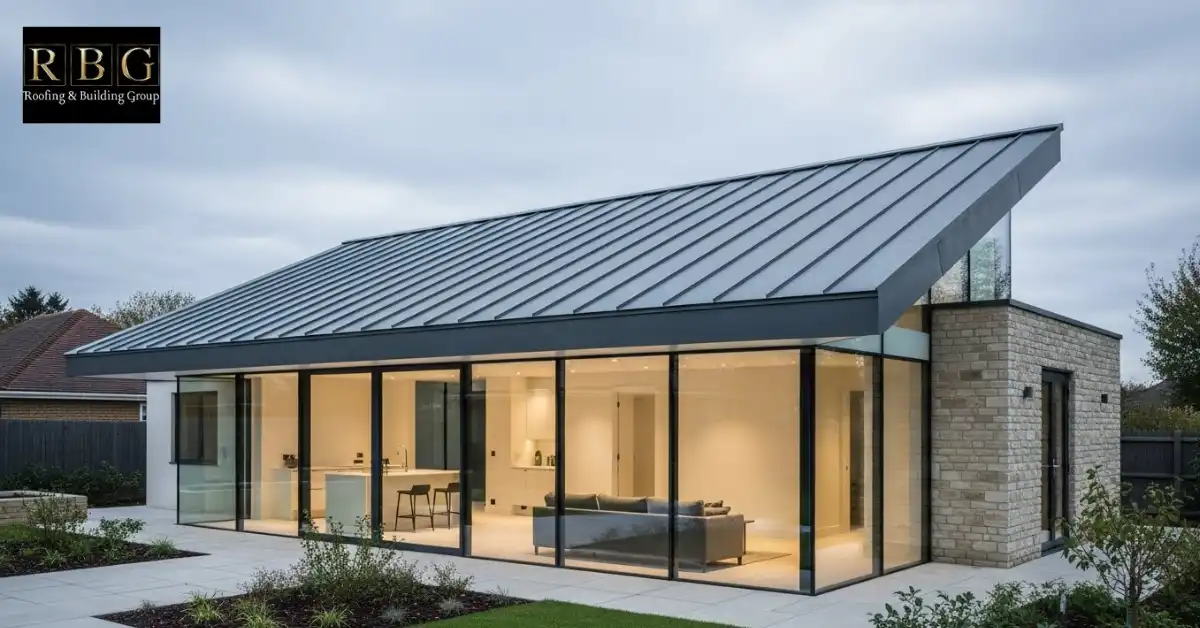
A mono-pitch roof is a single-sided sloping roof, also called a lean-to roof. It is commonly used for small extensions, garages, sheds, or modern home additions.
This type of roof is simple to construct and allows for quick drainage of rainwater. Mono-pitch roofs can connect to the main house at the top or side of the slope, creating a clean and practical roof design for contemporary properties.
Pitched Roof
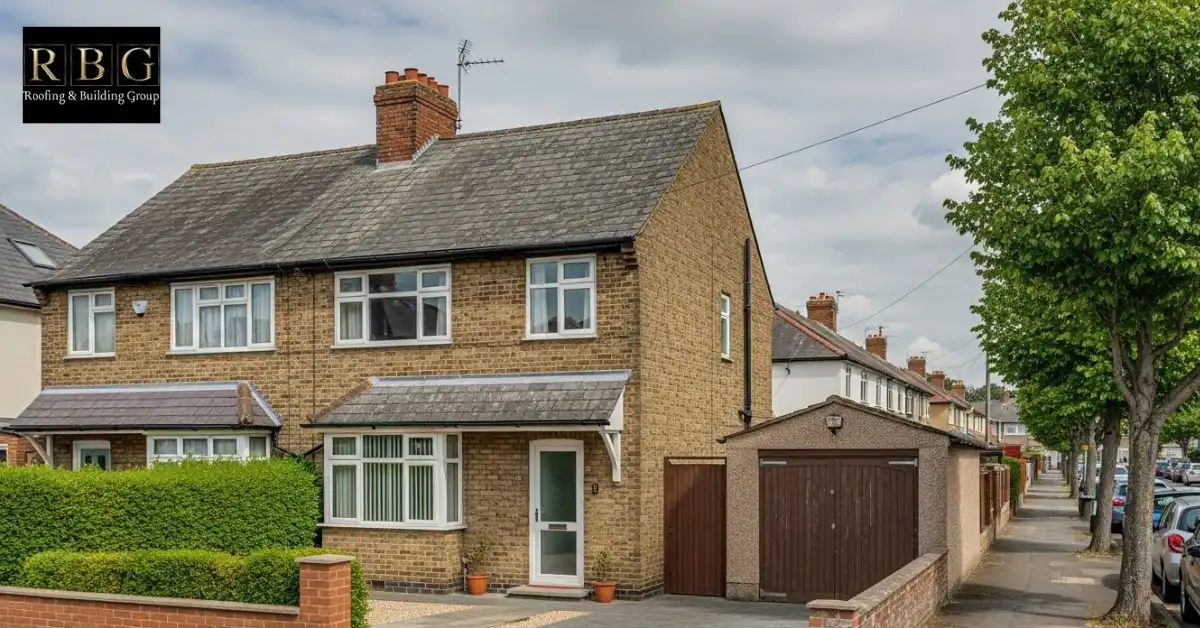
Pitched roofs are a general category of roofs that slope downwards from a central ridge. They include gable, hip, and other roof types, and are extremely popular in the UK.
The slope of a pitched roof helps water and snow to drain effectively, protecting the house roof and reducing the risk of leaks. Pitched roofs also allow for better insulation and ventilation, making them practical for a UK home.
Flat Roof
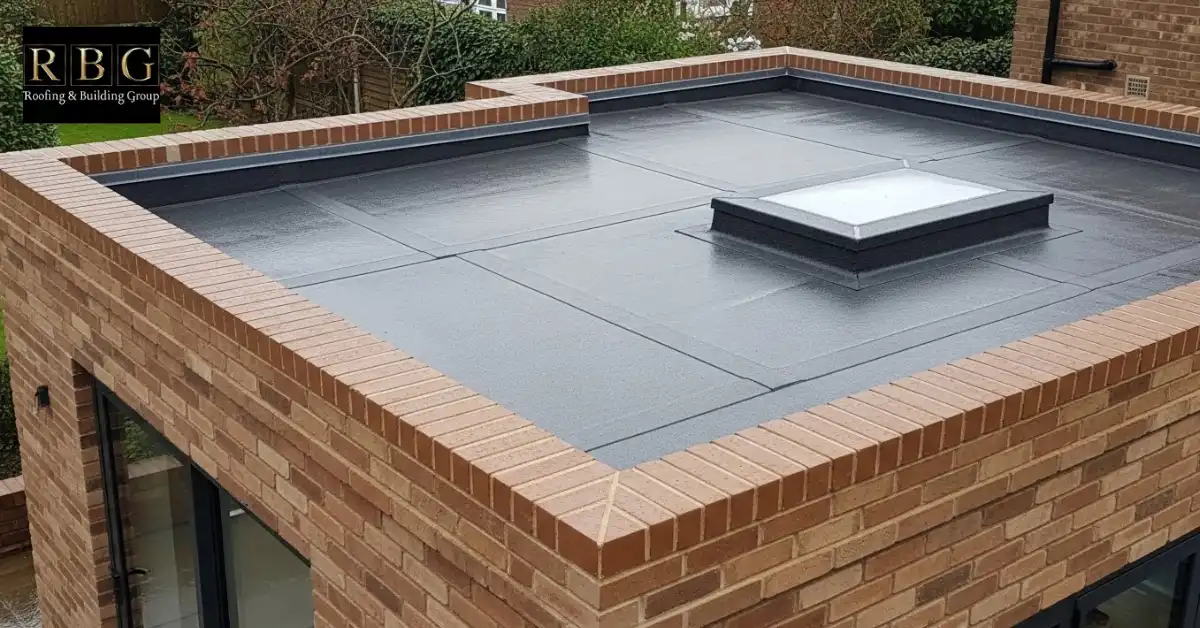
Flat roofs are nearly horizontal with a slight pitch to ensure water drains away. Traditionally used for commercial buildings, flat roof types are now popular in modern homes, particularly for extensions or urban properties.
Flat roofs are easier to build and can create extra usable space for roof terraces or green roofs. Proper roof construction and drainage are essential to prevent water pooling and ensure the roof lasts for many years.
Mansard Roof
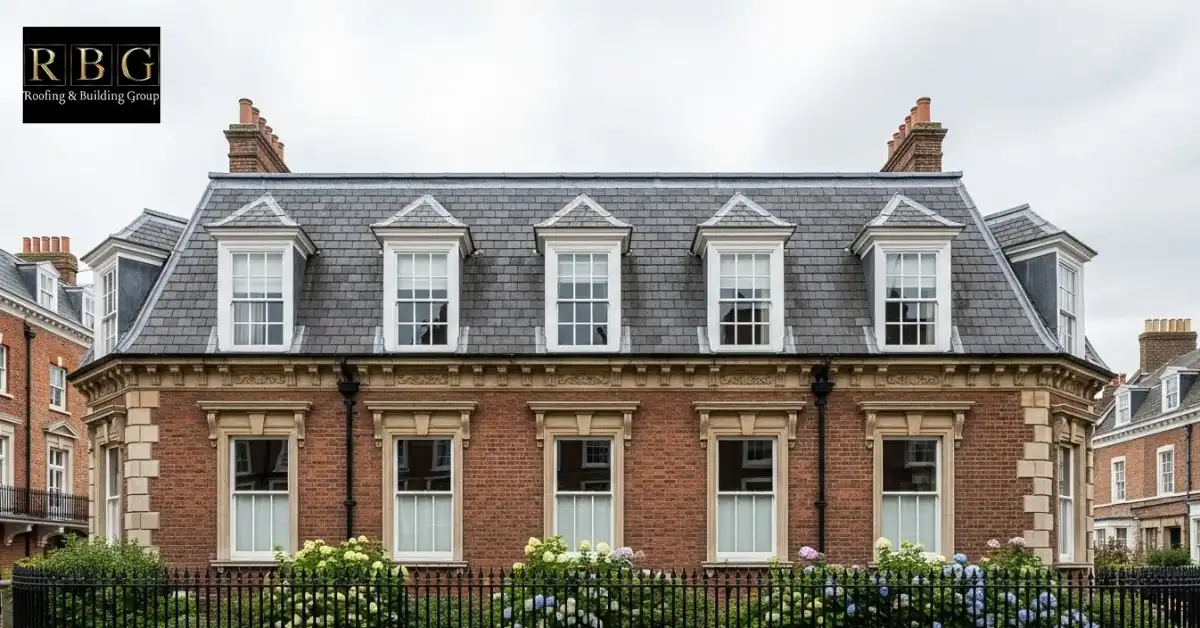
The Mansard roof is a four-sided roof with two different slopes on each side. The lower slope is steep, while the upper slope is shallow, creating extra space under the roof.
This type of roof is often used for loft conversions or houses that need more living space without extending the building footprint. Mansard roofs offer a classic look and a practical solution for additional rooms in UK homes.
Dormer Roof
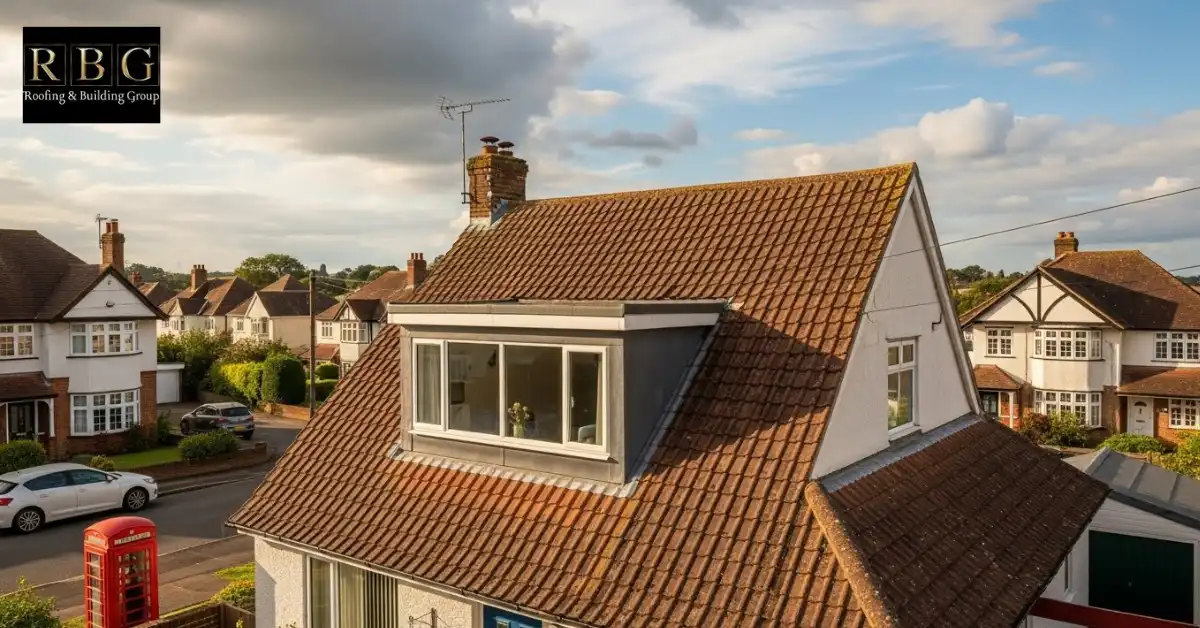
A dormer is a small roofed structure that projects from a main roof, usually containing a window. While not a roof type on its own, dormers are commonly used in pitched roofs to create more attic space and let natural light in.
Dormer roofs are popular for loft conversions and can be combined with various pitched roof designs. They add both function and character to the roof of a house.
Gambrel Roof
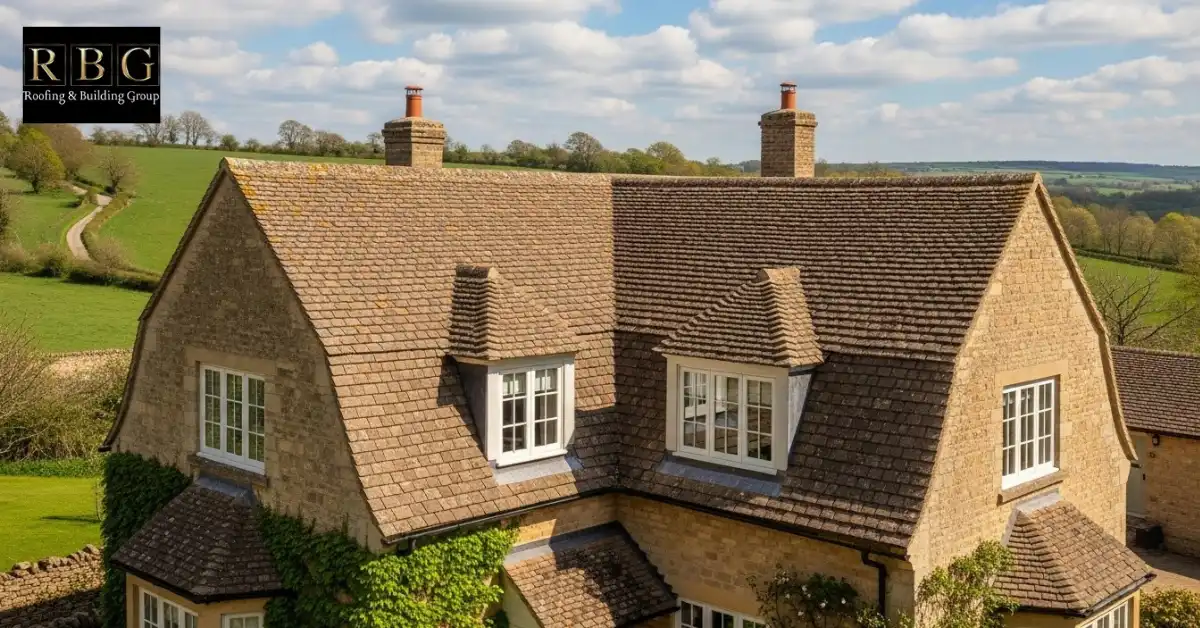
A Gambrel roof is a two-sided roof with two slopes on each side. The upper slope is shallow, while the lower slope is steeper. This roof type is often seen on barns but is sometimes used for residential properties.
Gambrel roofs provide extra headroom in the attic or loft, making them suitable for homes that require more usable space under the roof. They are also visually distinctive, giving a traditional look to the house roof.
Butterfly Roof
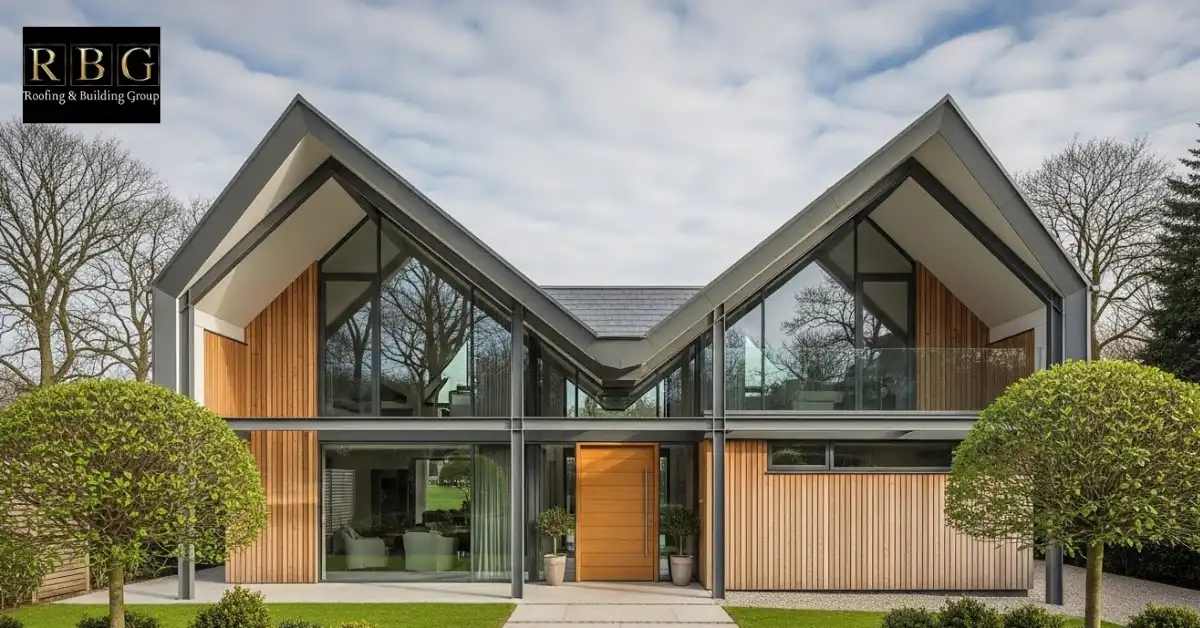
Butterfly roofs have two panels angled upwards, forming a V-shape in the centre. This inverted pitch allows rainwater to be collected in the middle of the roof.
Butterfly roof designs are modern and stylish, often used for contemporary homes. They create a unique roof design while providing practical drainage and opportunities for rainwater harvesting.
Curved Roof
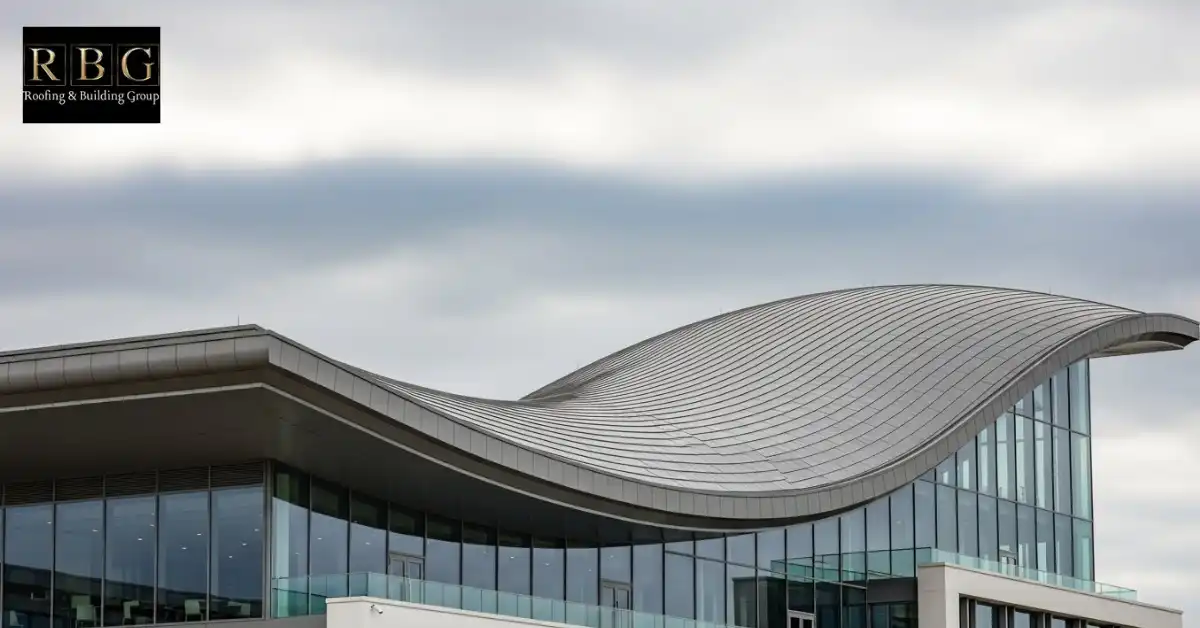
Curved roofs, also called barrel or arched roofs, feature a continuous arch or wave shape. They are popular on modern buildings and urban structures for a bold aesthetic.
These roofs can be built using metal or flexible roofing materials. Proper pitch and roof construction are essential to ensure water does not pool on the curves, making them both functional and visually appealing.
Pyramid Hip Roof
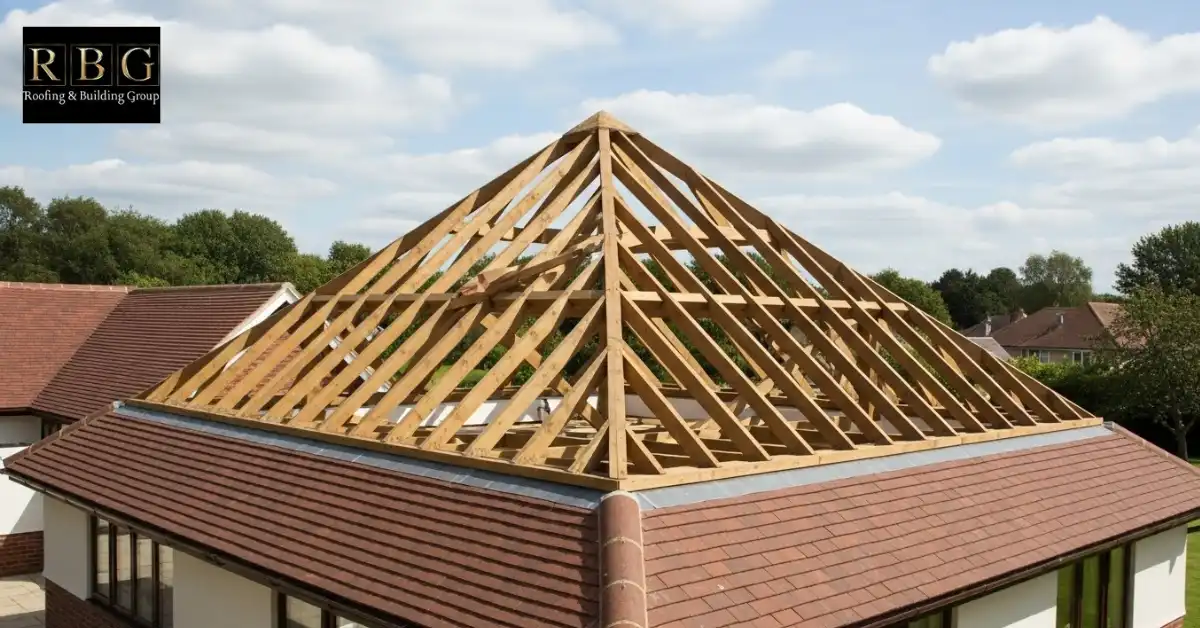
A pyramid hip roof is a square-based hip roof where all four sides slope inward to meet at a single point. This creates a pyramid shape and a strong, stable roof structure.
Pyramid hip roofs are often used for smaller houses or extensions. They are excellent for withstanding strong winds and offer a neat, symmetrical appearance for UK homes.
Sawtooth Roof
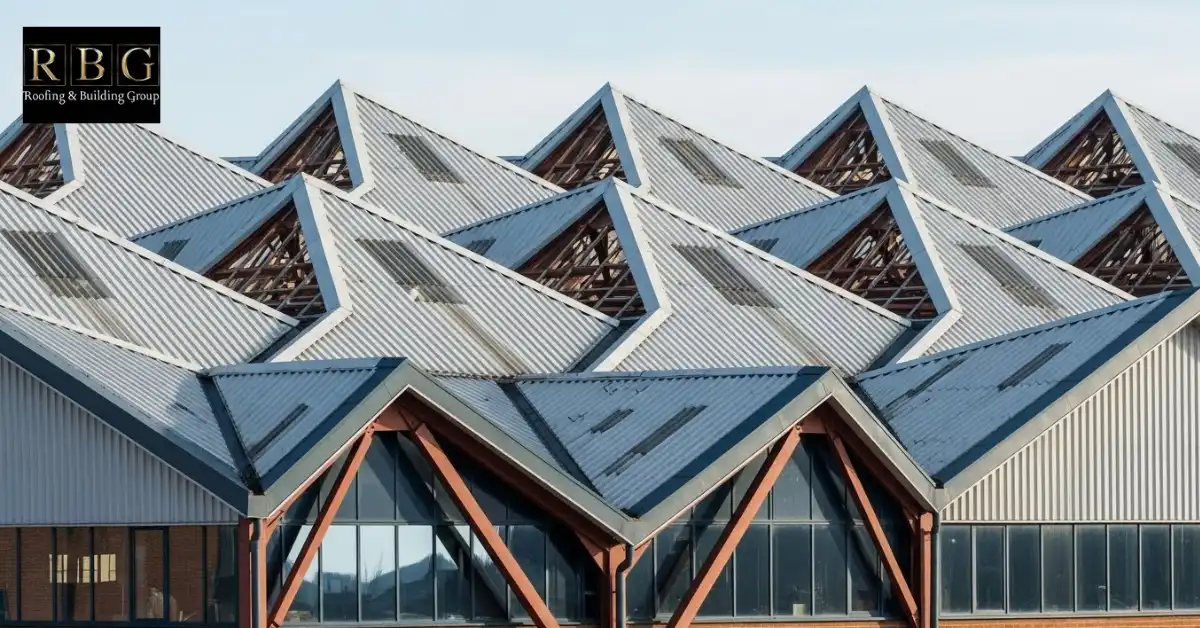
Sawtooth roofs feature multiple sloping ridges, resembling the teeth of a saw. Originally designed for industrial buildings to admit natural light, they are now sometimes used in modern residential or commercial designs.
This roof type is ideal for energy efficiency, as it can maximise daylight and support solar panels. Careful roof construction ensures proper drainage and prevents water pooling between the ridges.If you’re unsure which roof type is best suited to your home or local UK climate, it’s always wise to seek advice from experienced roofers. Professional roofing services can help you choose the right roof, ensure correct roof construction, and provide expert installation. Hiring skilled roofers is also recommended for any new roof installation or repairs, such as fixing leaks, to make sure your house roof remains safe, durable, and weatherproof.
Roof Types UK – Quick Comparison Table
| Roof Type | Pitch | Best For | Common in the UK |
| Gable Roof (Duo-Pitch) | Medium | Family homes, traditional houses | Very common across the UK |
| Hip Roof | Medium to steep | Windy areas, larger homes | Common in higher-end homes |
| Mono-Pitch Roof | Single slope | Extensions, garages, sheds | Increasingly popular for modern homes |
| Pitched Roof | Medium to steep | Most UK residential homes | Very common |
| Flat Roof | Slight (for drainage) | Urban homes, terraces, modern blocks | Growing popularity in city areas |
| Mansard Roof | Double slope | Loft conversions, additional space | Less common, mostly older homes |
| Dormer Roof | Matches the main roof | Attic space, loft extensions | Common in loft conversion |
| Gambrel Roof | Double slope | Barns, extra attic space | Rare in UK homes |
| Butterfly Roof | V-shape inverted | Modern houses, rainwater harvesting | Modern contemporary homes |
| Curved Roof | Arch or wave | Bold modern designs | Seen in new-build urban homes |
| Pyramid Hip Roof | Medium | Small homes, extensions | Less common, stable design |
Conclusion
Choosing the right roof type is important for protecting your home and keeping it comfortable in the UK climate. With many roof types available, understanding roof shapes, roof styles, and roof construction helps homeowners make the right choice for their house roof.
Roof replacement cost and roof repair cost can vary depending on the roof type, materials used, and the size of the roof of a house. If you are unsure which roof type is best for your home, it is always wise to consult experienced roofers. They can assess your roof, explain suitable options, and guide you on costs to ensure the work is done correctly, safely, and in line with UK standards.
FAQ’s
What type of roof is used in the UK?
In the UK, the most common roof type is the pitched roof. It suits the British climate well by allowing rain and snow to drain easily. Homes also use flat roofs for extensions and garages.
What are the five main types of roof styles?
The five main roof styles are gable roofs, hip roofs, flat roofs, mono-pitch roofs, and mansard roofs. These roof types are widely used in the UK for houses, extensions, and commercial buildings.
What is the most common type of residential roof?
The most common residential roof in the UK is the pitched roof. It offers good water drainage, a long lifespan, and suits many roof designs. Pitched roofs also work well with tiles, slate, and concrete materials.
What is the cheapest type of roof?
Flat roofs are usually the cheapest roof type to install. They use fewer materials and are quicker to build. However, flat roof types may need more maintenance compared to pitched roofs over time.
Which roof type lasts the longest?
Pitched roofs often last the longest, especially when built with slate or clay tiles. With proper roof construction and regular checks, a pitched roof can last many decades in UK weather conditions.
