
A conservatory adds space and light to your home, but it can become uncomfortable due to temperature fluctuations. In winter, it’s cold and damp, while in summer, it turns into a greenhouse. This happens because of high U-values in the materials, allowing heat to escape in winter and enter in summer.
The solution is simple: insulate your conservatory roof. Proper insulation keeps the temperature comfortable all year. As trusted local roofers, we’ll teach you the best ways to insulate your conservatory roof, helping you create a year-round living space.
Benefits of Insulating Your Conservatory Roof
The conservatory roof insulation kit makes the space usable all year round, regardless of the weather. It helps regulate temperature by keeping heat in during winter and blocking it out in summer, making your conservatory comfortable throughout the seasons.
In addition to temperature control, insulation boosts energy efficiency. It reduces the need for excessive heating or cooling, saving you money on energy bills. It also helps prevent issues like condensation and mould, creating a healthier environment.
What Are the Best Ways to Insulate Your Conservatory Roof?
Insulated Roof Panels
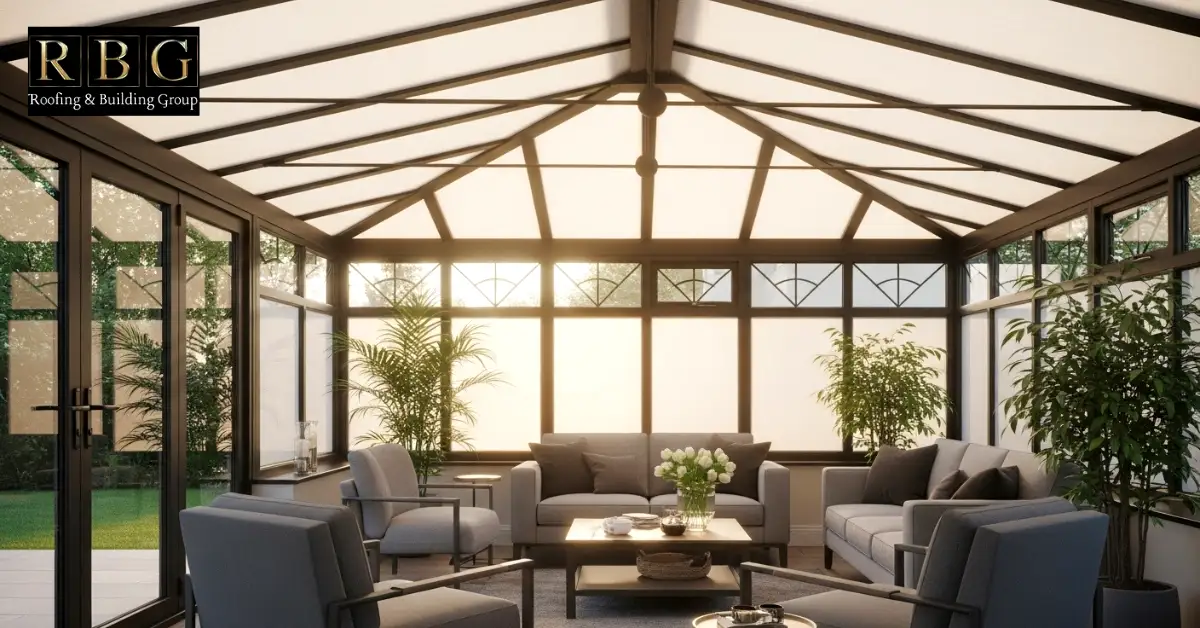
Insulated roof panels are a top choice for conservatory roof insulation. They improve thermal efficiency, keeping your space warm in winter and cool in summer, all while maintaining natural light.
Tiled Roof
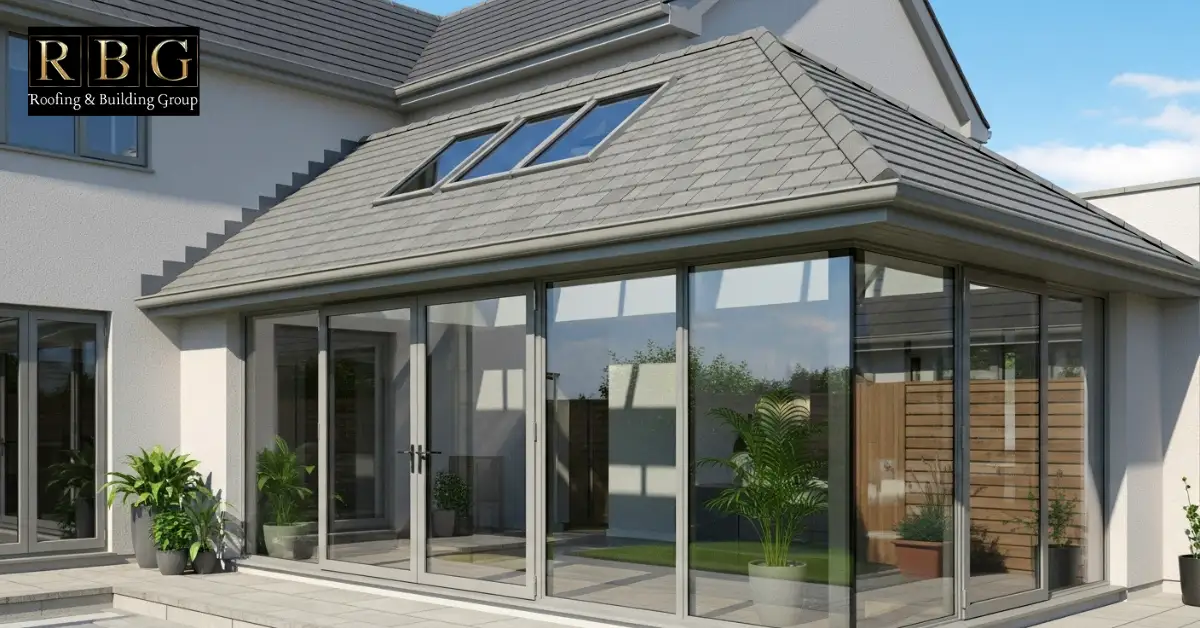
A tiled roof is a durable and effective solution. Modern tiled roofs offer excellent insulation, reducing heat loss and adding a stylish look to your conservatory. The SupaLite Tiled Roof, for instance, is both lightweight and energy-efficient.
Polycarbonate Roof Upgrade
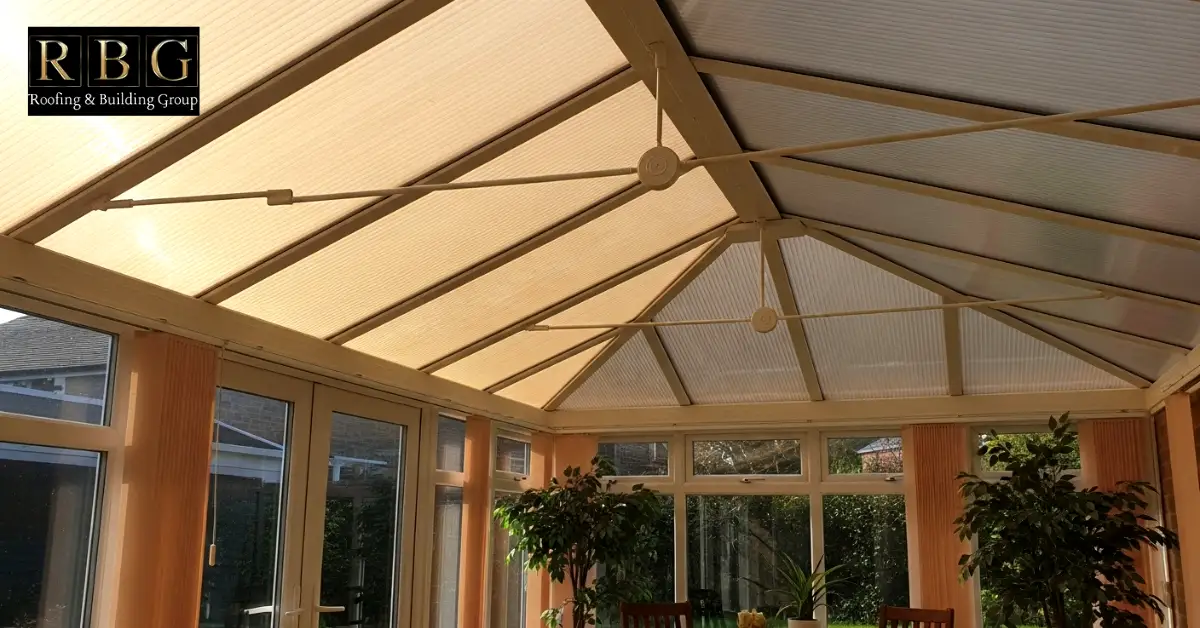
Upgrading to a thicker polycarbonate roof offers better insulation than the standard option, though it still doesn’t perform as well as other materials. It’s a more affordable solution but may not provide year-round comfort.
Multifoil Insulation or Thermal Wadding
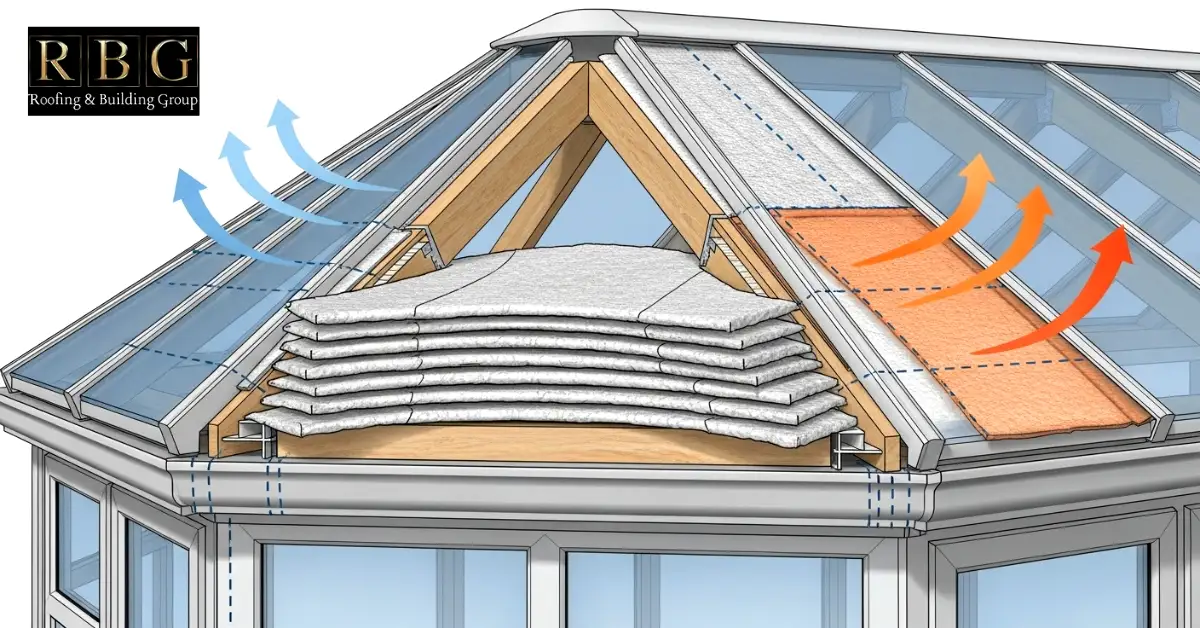
Multifoil insulation or thermal wadding can be added beneath your existing roof to improve insulation. It’s a straightforward solution, especially when combined with other methods, to minimise heat loss and regulate temperature fluctuations.
Curtains/Blinds
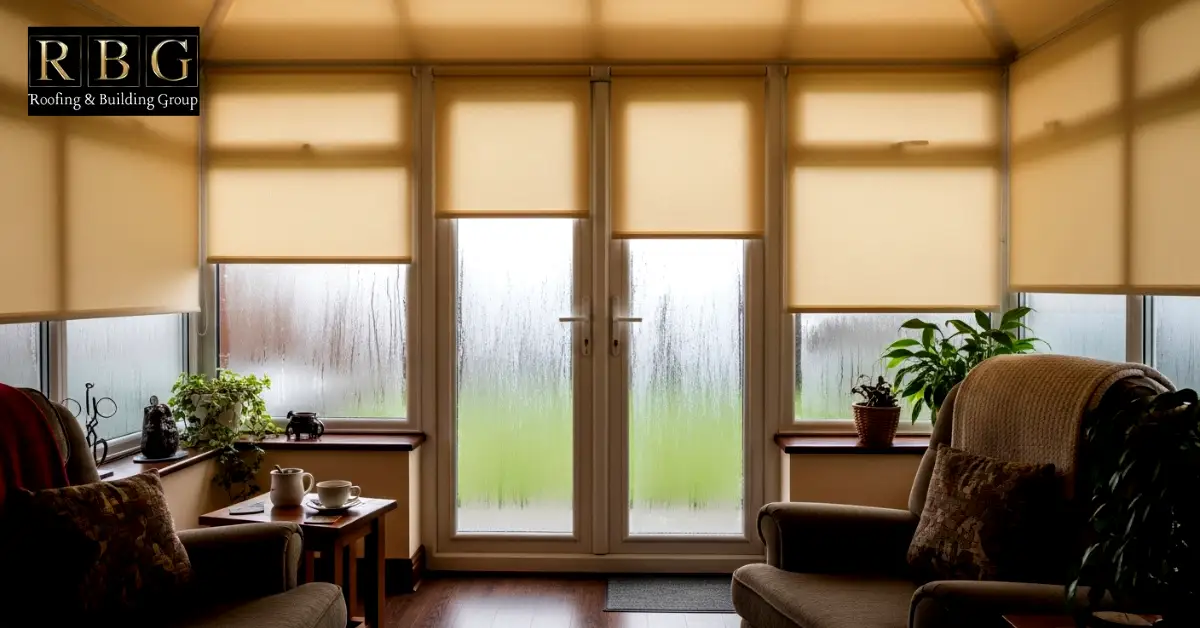
Thermal curtains or blinds are a budget-friendly way to regulate temperature. They keep heat in during winter and block it out in summer, though they don’t offer the same level of insulation as other methods.
Solar Control Film
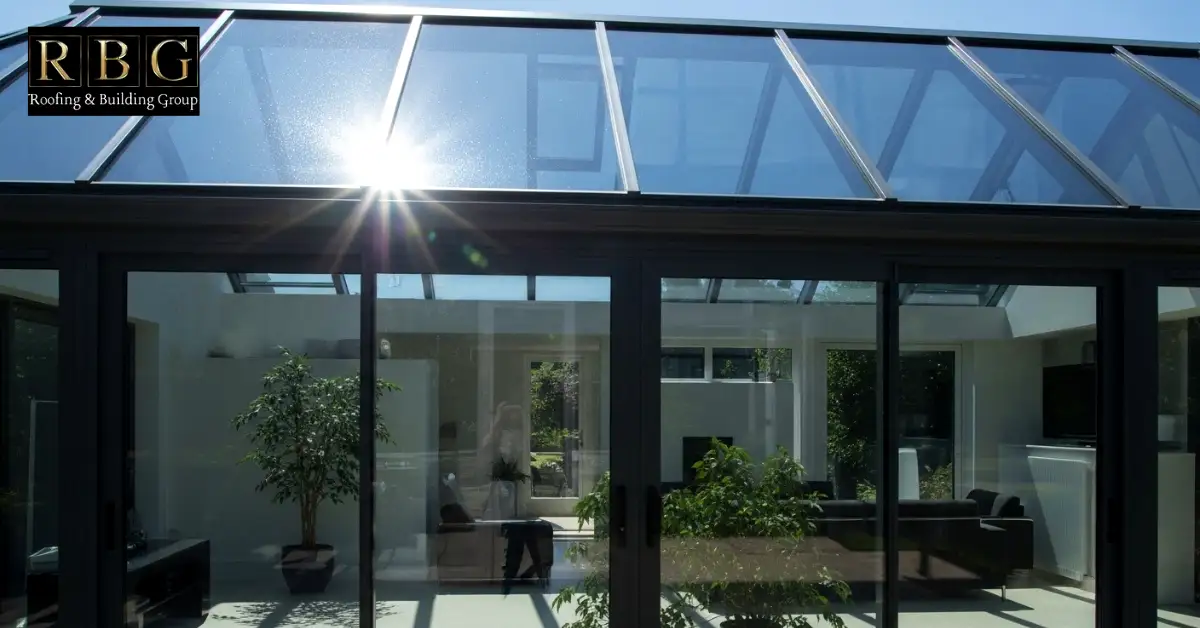
Solar control film reduces heat in summer by reflecting sunlight, keeping your conservatory cooler. However, it doesn’t help with heat retention in winter, so it’s best used in conjunction with other insulation methods.
Aluminium Foil and Thermal Wadding
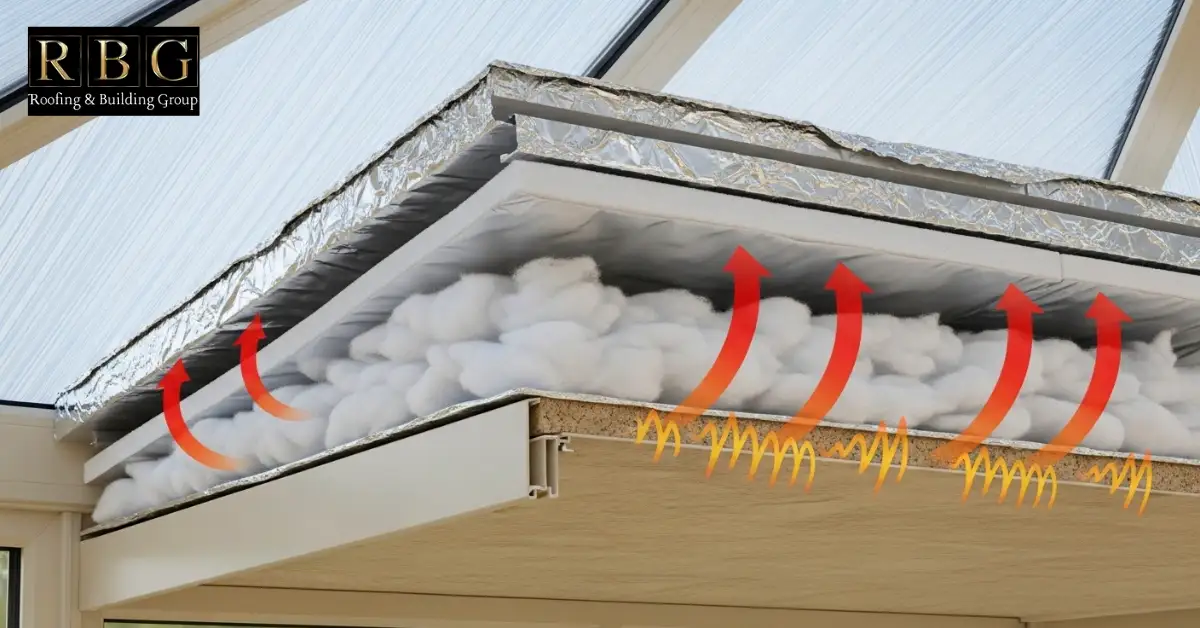
Aluminium foil and thermal wadding reflect heat in summer and retain warmth in winter. This affordable option is easy to install but less durable than more permanent solutions, such as roof panels or tiles.
Common Challenges of Insulating a Conservatory Roof
Drilling Through Glazing Bars
Drilling through the glazing bars can compromise the structure of your roof. These bars play a crucial role in maintaining ventilation and water drainage, so damaging them can lead to leaks. When seeking roofing services, ensure that they do not interfere with these key components.
Adding Weight to the Roof
Insulation can add extra weight to the roof, which may cause strain, especially in older conservatories. Given the UK weather, which often includes heavy rain or snow, this additional weight could result in damage if not appropriately managed.
Thermal Barriers and Light Issues
Thermal barriers are effective for insulation, but they can lead to heat build-up in the summer and block natural light. In the UK, where daylight can be scarce during the winter months, it’s essential to strike a balance between insulation and maintaining sufficient natural light.
Fire Safety Considerations
Some insulation materials can be a fire hazard if not properly selected. Any roofing services you use must employ fire-resistant materials that meet UK safety standards to ensure your conservatory remains safe.
The Risk of a Dark, Gloomy Room
Adding insulation can make your conservatory darker, especially if solid roofing is used. With the UK’s weather, which can have long winters that limit daylight, it’s essential to preserve as much natural light as possible to maintain a bright and welcoming space.
Conclusion
Insulating your conservatory roof is a great way to enhance comfort and improve energy efficiency throughout the year. Whether you choose insulated roof panels, a tiled roof, or thermal wadding, the proper insulation will help maintain a pleasant temperature and lower energy costs. However, there are challenges, such as drilling into glazing bars, adding weight to the roof, and the potential loss of natural light.
When considering roof maintenance, it’s crucial to work with professionals who understand the specific needs of your conservatory. Ensuring proper insulation, ventilation, and light balance will help you avoid common issues and make your conservatory a year-round, functional space.
FAQ’s
What is the best insulation for a conservatory roof?
The best insulation for a conservatory roof depends on the type of roof it has. Insulated roof panels and tiled roofs are highly effective, providing excellent thermal efficiency. Polycarbonate upgrades or multifoil insulation can also help, although they may not offer the same level of performance.
Does insulating a conservatory roof make a difference?
Yes, insulating your conservatory roof makes a significant difference. It helps keep the room warmer in winter and cooler in summer. Insulation reduces energy costs, prevents heat loss, and ensures your conservatory is more comfortable to use year-round.
How much does a conservatory roof insulation cost?
The cost of conservatory roof insulation depends on the method you choose to use. Insulated roof panels or a tiled roof may cost between £3,000 and £5,000, while cheaper options, such as thermal wadding or polycarbonate upgrades, may be more affordable. Prices vary based on size and materials.
Can I insulate a polycarbonate roof?
Yes, you can insulate a polycarbonate roof. Adding a thicker polycarbonate layer or using reflective films can help reduce heat loss. However, polycarbonate doesn’t insulate as well as other materials, so it’s often combined with different methods for better results.
