
A cold loft can make your home uncomfortable and increase energy bills. Heat easily escapes through the roof, leaving rooms chilly and hard to heat. Many homeowners search for how to insulate a pitched roof from inside because they aren’t sure where to start when it comes to insulating from the inside. Poor insulation can also lead to damp and timber damage over time. Old or uneven insulation makes your home less energy-efficient and harder to maintain.
The good news is that proper roof insulation can solve these issues. It keeps your home warmer, lowers bills, and helps protect the roof structure. As experienced roofers, we will discuss the steps to insulate a pitched roof from inside, the benefits of doing it right, and common mistakes to avoid. You’ll learn how to prepare the loft, fit insulation safely, and get the best results for your home.
Step-by-Step method for How to Insulate a Pitched Roof From Inside
Step 1 — Prepare the Loft Area
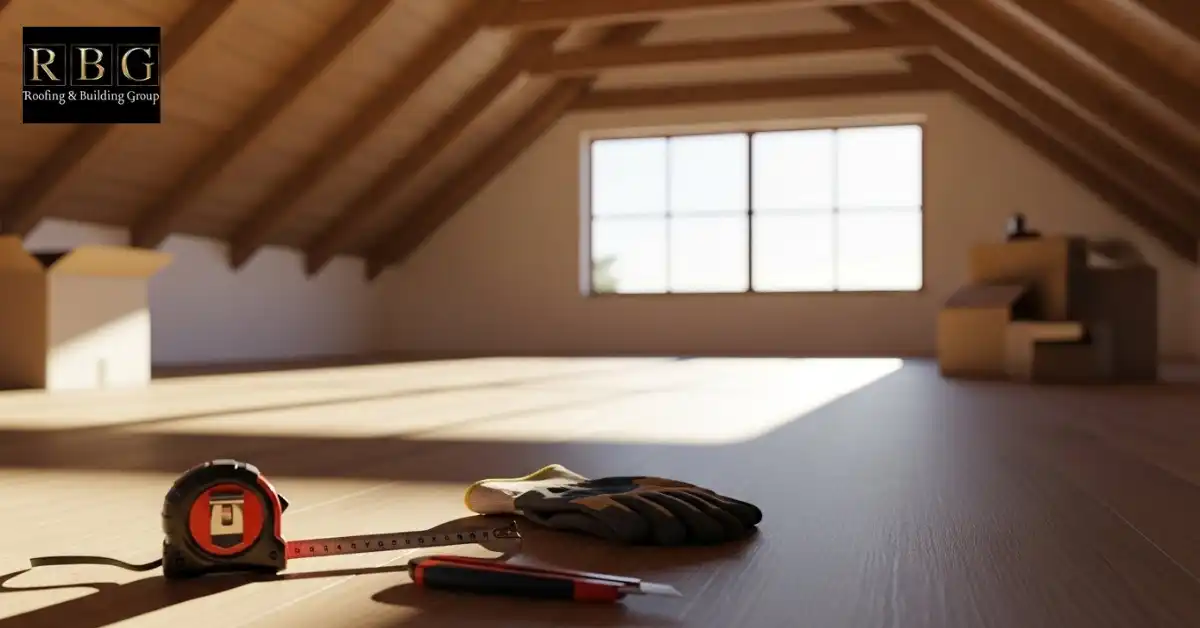
Clear the loft of boxes and old insulation. Check the roof and timber for damp or damage and repair if needed. Gather basic tools like a tape measure, knife, saw, stapler, gloves, and goggles. A clean, safe loft makes installing insulation easier.
Step 2 — Measure the Rafters

Measure the depth and width of each rafter space. Gaps may differ, so measure each one individually. Mark your insulation boards before cutting. Choosing the right thickness ensures effective pitched roof insulation and energy efficiency.
Step 3 — Keep a Small Air Gap
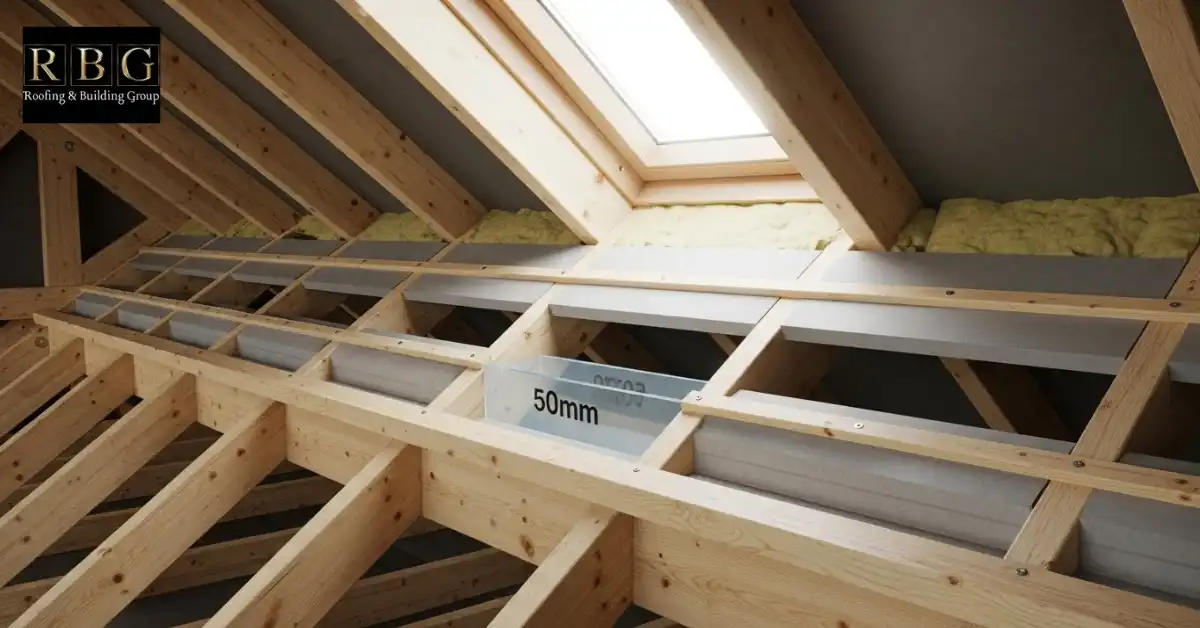
Leave a 50mm gap behind the insulation for airflow. This prevents moisture from damaging timber. Narrow battens can help keep the gap consistent. Proper airflow is essential when insulating a loft rafters.
Step 4 — Fit Insulation Between Rafters

Cut insulation boards to size using a knife or saw. Push them between the rafters, ensuring a snug fit with no gaps. Butt boards tightly together if joining, and tape joints if needed. This step is key to the proper insulating of roof rafters.
Step 5 — Add Insulation Under Rafters (Optional)
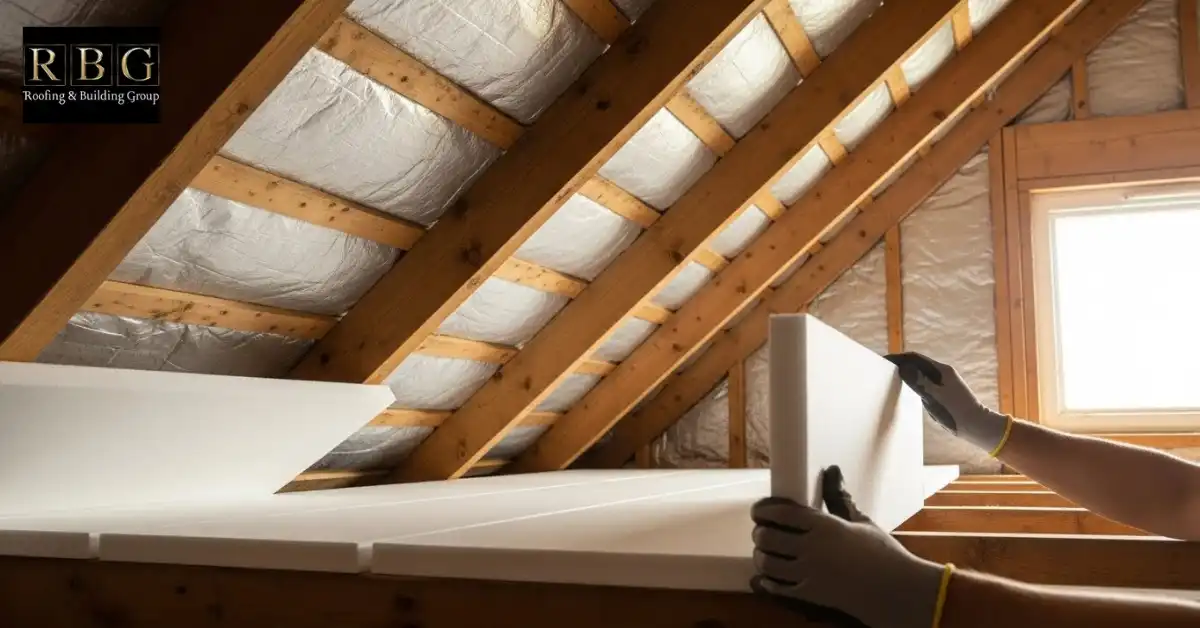
For extra warmth or if the loft will be used as a room, add insulation boards under the rafters. Rigid boards or insulated plasterboard work well. Attach carefully for a smooth finish and extra-pitched roof insulation.
Step 6 — Fix the Vapour Control Layer

If your insulation doesn’t include one, staple a vapour barrier to the rafters. Overlap sheets and tape joints to prevent moisture from reaching the insulation and timber. A vapour layer keeps your roof safe.
Step 7 — Finish With Plasterboard
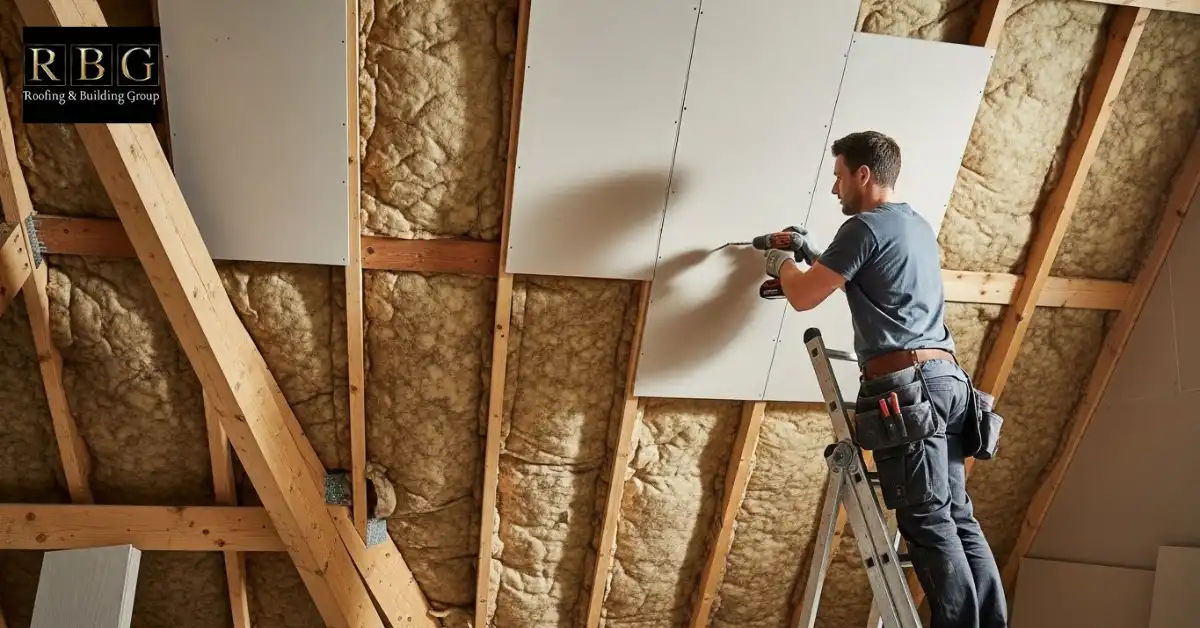
Screw plasterboard over the insulation for a clean finish. This is especially important if the loft is used as a room. Make sure boards are tight and level for the best result.
Even with careful DIY work, many homeowners still prefer professional help for pitched roof insulation. A correctly fitted roof insulation makes all the difference for warmth, energy savings, and long-term protection. It can also help reduce future roof repair costs by protecting the timber and roof structure. For the best results, choose professional roofing services. Professionals ensure your roof is insulated safely, efficiently, and built to last.
Benefits of Internal Roof Insulation
- Keeps your home warmer in winter and cooler in summer.
- Slows heat loss and prevents outside heat from entering.
- Reduces energy bills and improves overall efficiency.
- Reflective foil layers bounce heat back, keeping rooms cosy.
- Protects the roof structure by reducing damp and timber damage.
- An optional plasterboard finish is ideal if the loft is used as a room.
Common Mistakes to Avoid
- Blocking ventilation: Don’t cover vents or airflow paths; this can cause damp and timber damage.
- Leaving gaps in insulation: Ensure boards fit snugly between rafters to prevent heat loss.
- Ignoring damp or leaks: Always repair roof leaks and check timber before installing insulation.
- Using the wrong thickness: Insulation that is too thin or too thick reduces efficiency and may cause fitting issues.
- Skipping the vapour control layer: Failure to install it can allow moisture to reach timber and insulation, leading to damage.
Conclusion
Insulating a pitched roof from inside can make a big difference to your home. By preparing the loft, measuring rafters, keeping an air gap, and fitting insulation correctly, you can improve comfort, reduce energy bills, and protect the roof structure.
Adding a vapour barrier and finishing with plasterboard ensures insulation works effectively and lasts longer. Avoiding common mistakes like blocked vents, gaps, or ignoring damp is essential for a successful installation.
Overall, understanding the steps, benefits, and pitfalls helps you get the most from internal roof insulation. Done well, it keeps your home warm, energy-efficient, and more durable for years to come.
FAQs
Do you need an air gap between roof insulation?
Yes, a small air gap of around 50mm is critical when insulating a pitched roof from inside. It allows proper airflow behind the insulation, preventing moisture build-up and protecting the timber. This ensures your insulation works efficiently and lasts longer.
How thick should pitched roof insulation be?
The ideal thickness depends on your loft space, but a depth of around 270mm is generally recommended for maximum energy efficiency. You can split this between boards and insulated plasterboard. Using the correct thickness improves warmth and reduces energy bills.
Is internal insulation better than external?
Internal insulation is often easier for existing homes because it doesn’t require removing tiles. It’s ideal for lofts and small spaces. External insulation can be more complex and costly. Both methods improve comfort, but internal insulation is simpler for most homeowners.
What type of insulation is best for pitched roofs?
There are several options, including mineral wool, PIR boards, and phenolic boards. Mineral wool is easy to fit and fire-resistant, while PIR and phenolic boards offer higher thermal efficiency. The best choice depends on your space, budget, and whether you need extra moisture protection.
