
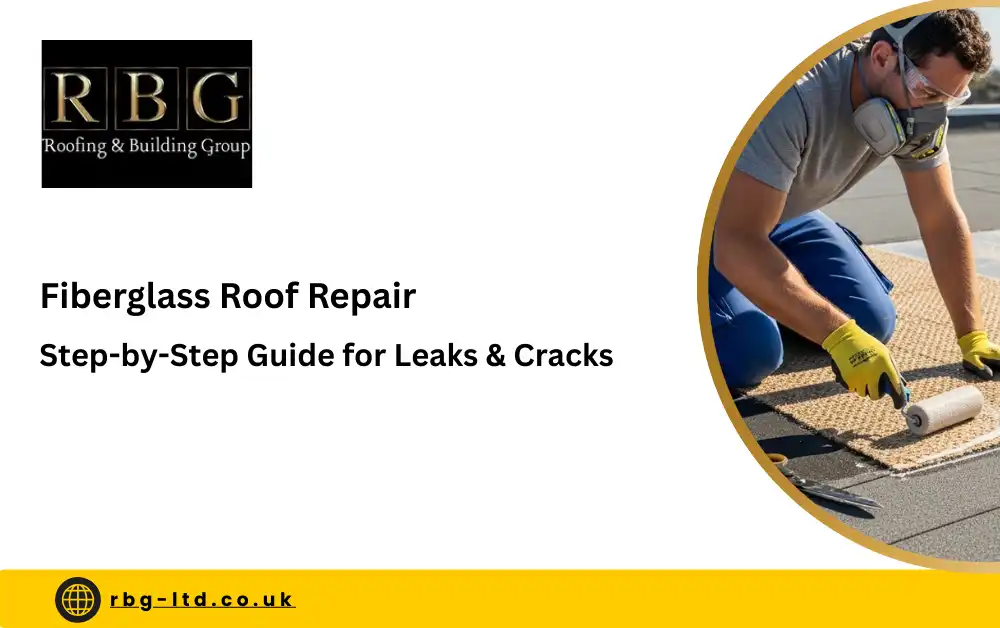
Everyone wonders how to do a fiberglass roof repair. So, let’s share our knowledge and experience. Fibreglass roof repair is the process of fixing cracks, leaks, or worn areas in your flat roof. This keeps your roof watertight and protects your home from water damage. Over time, fibreglass can become brittle, and small cracks or holes may appear.
Repairing your fibreglass roof stops problems from getting worse. Even small holes can let water in and cause damage. Using a GRP roof repair kit or fibreglass repair materials makes it easy to patch these areas. You don’t always need to replace the whole roof.
Fibreglass repairs can save money too. Flat roof patch repair and fibreglass recoating options restore the roof quickly. With the right fibreglass repair kit for roofs, you can make the roof look and work like new. As local roofers, we will show you step by step how to repair a fibreglass roof. Following these instructions ensures your fiberglass roofing stays strong, watertight, and long-lasting.
How to Repair a Fibreglass Roof Step by Step
Repairing a fibreglass roof might seem tricky, but with the right approach, it’s easier than you think. Small cracks or leaks can be fixed quickly, and even a flat roof patch repair can make your roof watertight again. In this guide, we will take you through each step so you can carry out fibreglass repairs safely and effectively.
Step 1 – Inspect the Damage
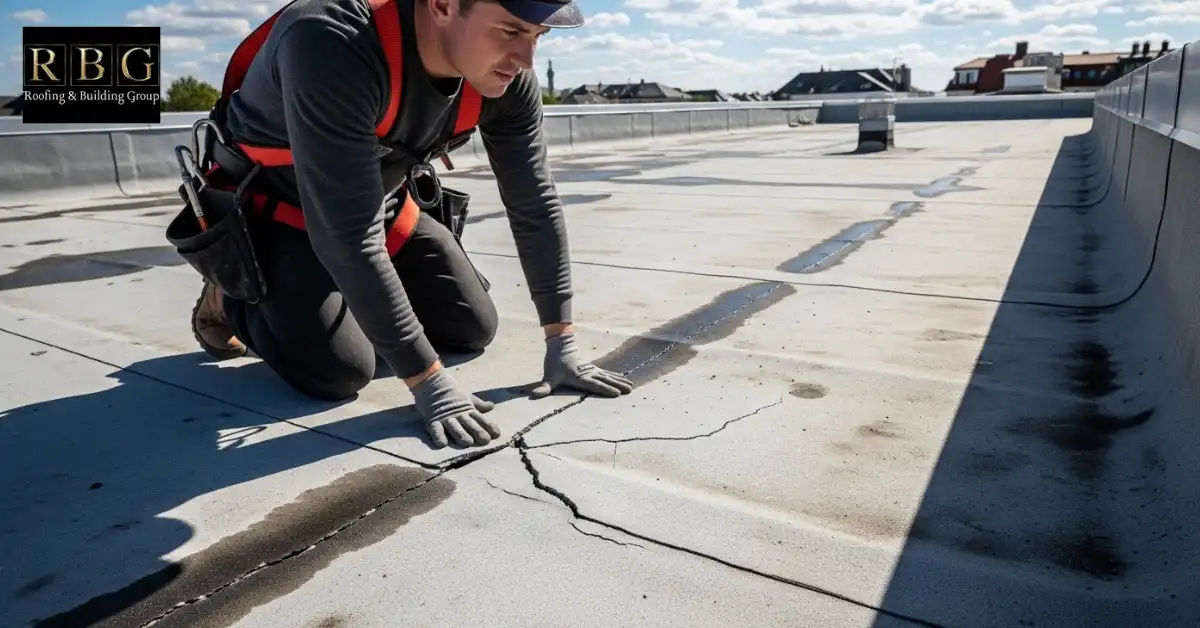
Start by checking your fibreglass flat roof carefully. Look for cracks, holes, worn patches, or areas where water is pooling. Also, check gutters and roof edges as leaks can start there. Knowing the type and size of damage helps you choose the right fibreglass repair materials or GRP repair kit for your roof.
Step 2 – Clean and Prepare the Roof Surface
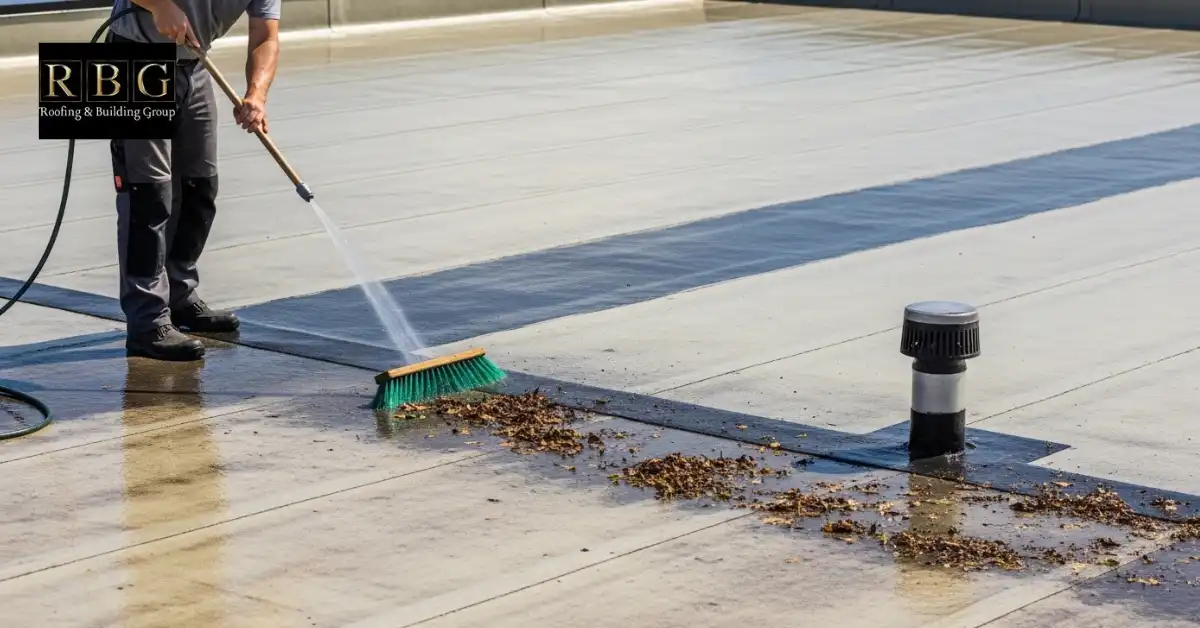
Before any repair, clean the damaged area thoroughly. Remove dirt, debris, moss, or old loose coatings. The surface must be dry and smooth so the fibreglass resin and matting can stick properly. This preparation is key for flat roof patch repair to last a long time.
Step 3 – Apply a Fibreglass Repair Kit for Roofs
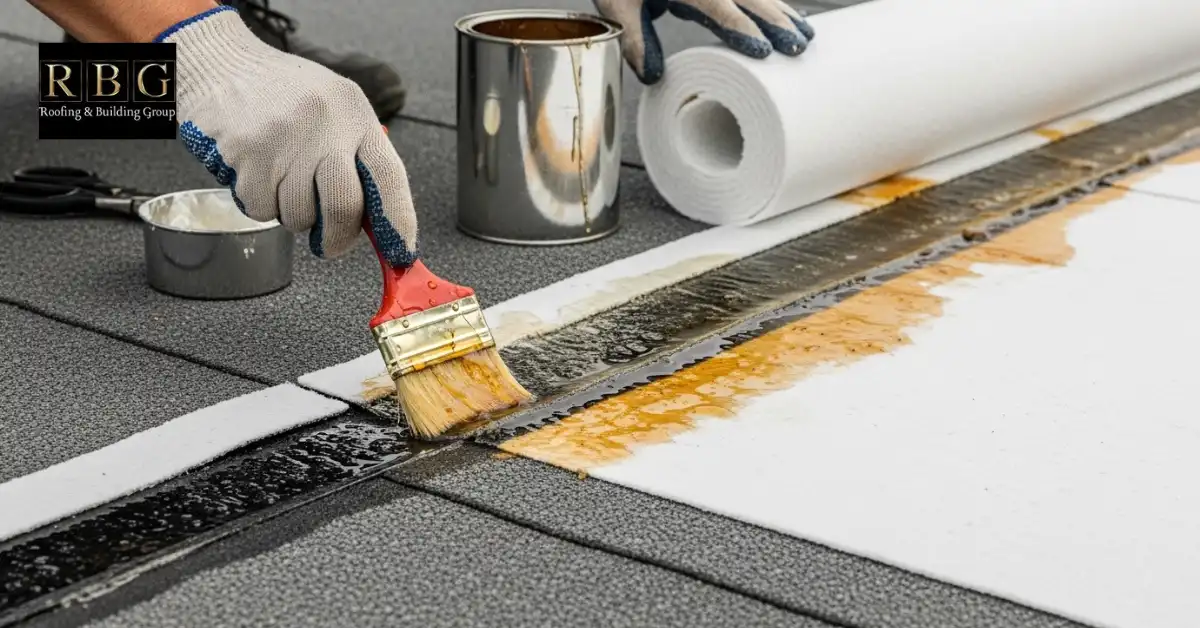
Use a fibreglass repair kit for roofs to patch the damage. These kits include resin, fibreglass matting, and sealant. Cut the matting to size, mix the resin, and apply it over the crack or hole. Work carefully to cover the entire damaged area, ensuring no gaps remain.
Step 4 – Allow the Repair to Cure Properly
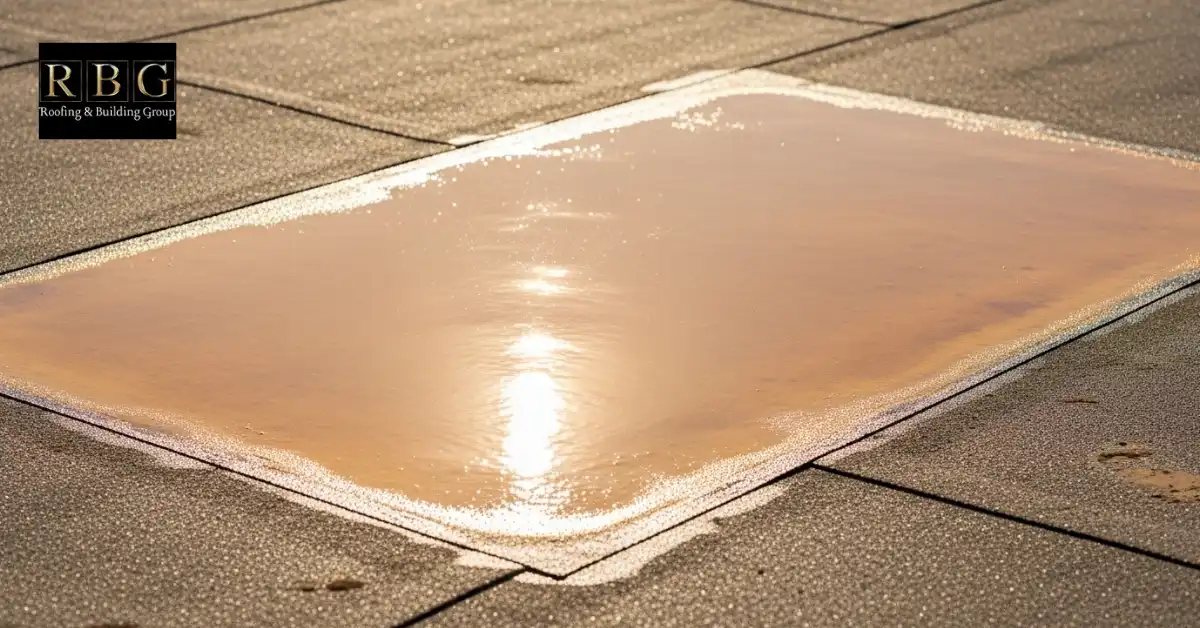
Once applied, leave the fibreglass repair to cure. Curing times can vary depending on the resin, weather, and thickness of the patch. Avoid walking on the repaired area until it is fully set. Proper curing ensures the repair is strong and watertight.
Step 5 – Seal and Protect the Repaired Area
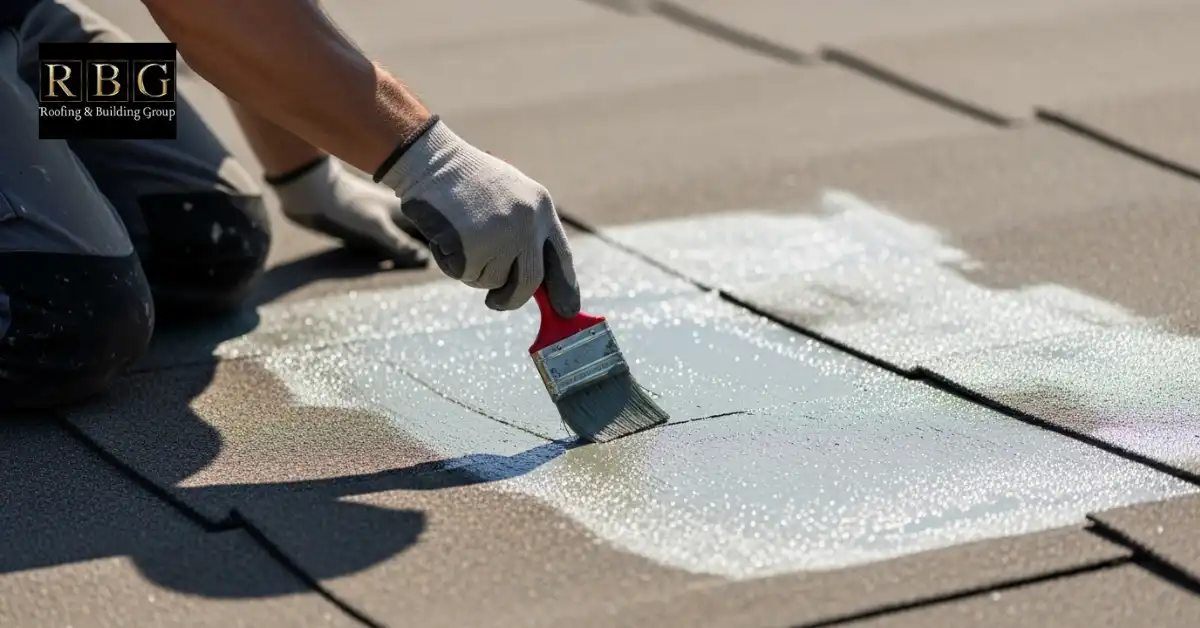
After curing, apply a protective topcoat or fibreglass roof paint if needed. This helps protect against UV damage, water, and wear. Keeping the roof coated and maintained can prevent future cracks and extend the life of your fibreglass flat roof.
Tips to Make Fibreglass Roof Repairs Last Longer
Once you have repaired your fibreglass roof, taking a few extra steps can repair last for many years. Small cracks or leaks can recur if the roof is not properly maintained. Here are some simple tips to protect your flat roof:
- Inspect your roof regularly – Check your roof at least twice a year, especially after heavy rain or storms. Look for new cracks, worn areas, or pooling water to catch problems early.
- Keep the roof clean – Remove leaves, moss, and dirt. Debris can trap water and damage your fibreglass flat roof, reducing the life of your repairs.
- Recoating and sealing – Apply a thin layer of fibreglass roof paint or protective sealant to protect against UV, rain, and wear. This helps flat roofs stay strong over time.
- Check gutters and drainage – Ensure water drains away quickly. Blocked gutters can cause water to sit on your roof, which can weaken repaired areas.
- Avoid heavy traffic – Don’t walk on repaired areas unnecessarily or place heavy objects on them. Even strong fibreglass can crack under concentrated pressure.
By following these simple steps, your fibreglass roof repair will stay watertight, durable, and effective for years to come.
When to Call a Professional
Some fibreglass roof repairs are easy to do yourself, but large cracks, widespread leaks, or more than 25% of the roof damaged need professional roofing services. If the underlying structure, like insulation or decking, is wet or rotting, a roofer can fix it properly using a GRP roof repair or a fibreglass repair kit for roofs.
You should also consult an expert for persistent leaks, poor installation, or issues with gutters and flashings. Professional flat roof service providers can spot hidden issues, carry out a reliable fibreglass roof repair, and ensure your roof stays watertight. Using a certified roofer also helps if your roof is under warranty or guarantee.
Conclusion
Repairing a fibreglass roof doesn’t have to be difficult. Small cracks, leaks, or worn areas can be fixed with the right fibreglass repair kit for roofs and a little care. Regular inspections and maintenance help your flat roof stay strong and watertight.
For larger damage, persistent leaks, or problems with gutters and flashings, it’s best to call a professional. Following the steps in this guide ensures your fibreglass roof repair lasts longer, protects your home, and keeps your roof in top condition.
FAQs
What is the life expectancy of a fibreglass roof?
A well-maintained fibreglass flat roof can last 25 to 40 years. Proper installation, regular inspections, and timely fibreglass roof repairs prevent cracks and leaks. Using quality materials like GRP resin and matting helps extend the life of your fiberglass roofing.
Can you recoat a fiberglass roof?
Yes, recoating a fibreglass roof is possible. Applying a layer of fibreglass roof paint or protective sealant over repairs strengthens the roof, protects against UV and water damage, and improves durability. Recoating works well with small or fully patched flat roof areas.
What materials are needed for a fiberglass roof repair?
A standard repair requires a fibreglass repair kit for roofs, which includes fibreglass resin, matting, and sealant. You may also need sandpaper to prepare the surface and a brush or roller to apply resin. Proper cleaning and drying tools are essential for success.
How long does a fiberglass roof repair last?
When done correctly, a fibreglass roof repair can last 10 to 20 years. Success depends on proper surface preparation, correct use of a GRP repair kit, curing time, and preventive maintenance like regular inspections and keeping the roof clean and free of debris.
